


 English
  русский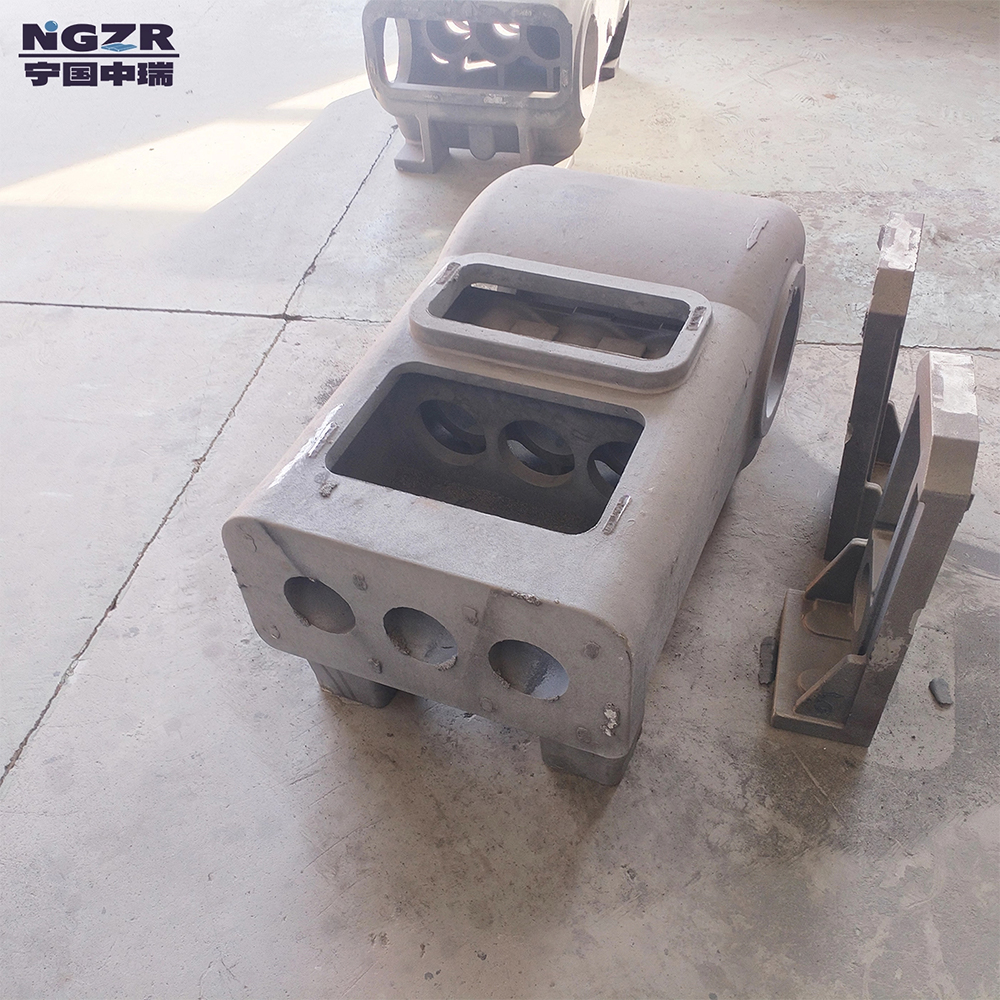
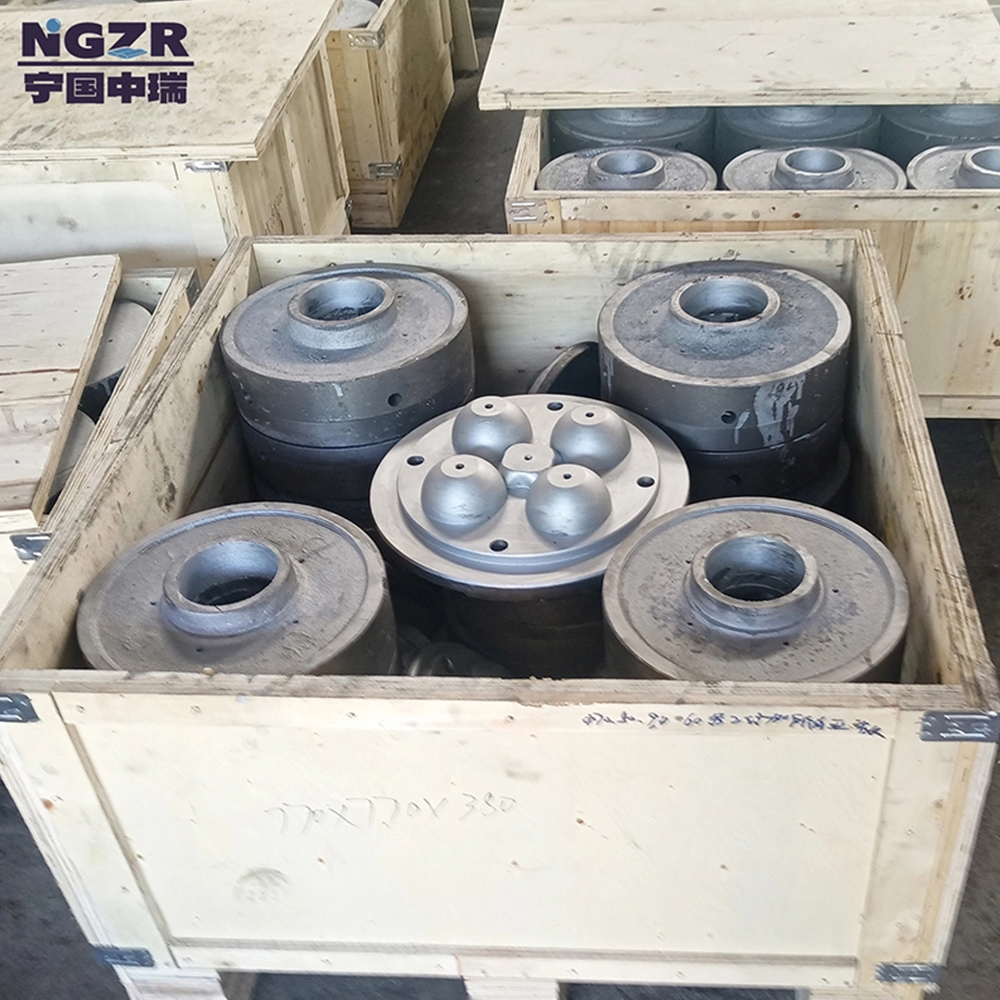
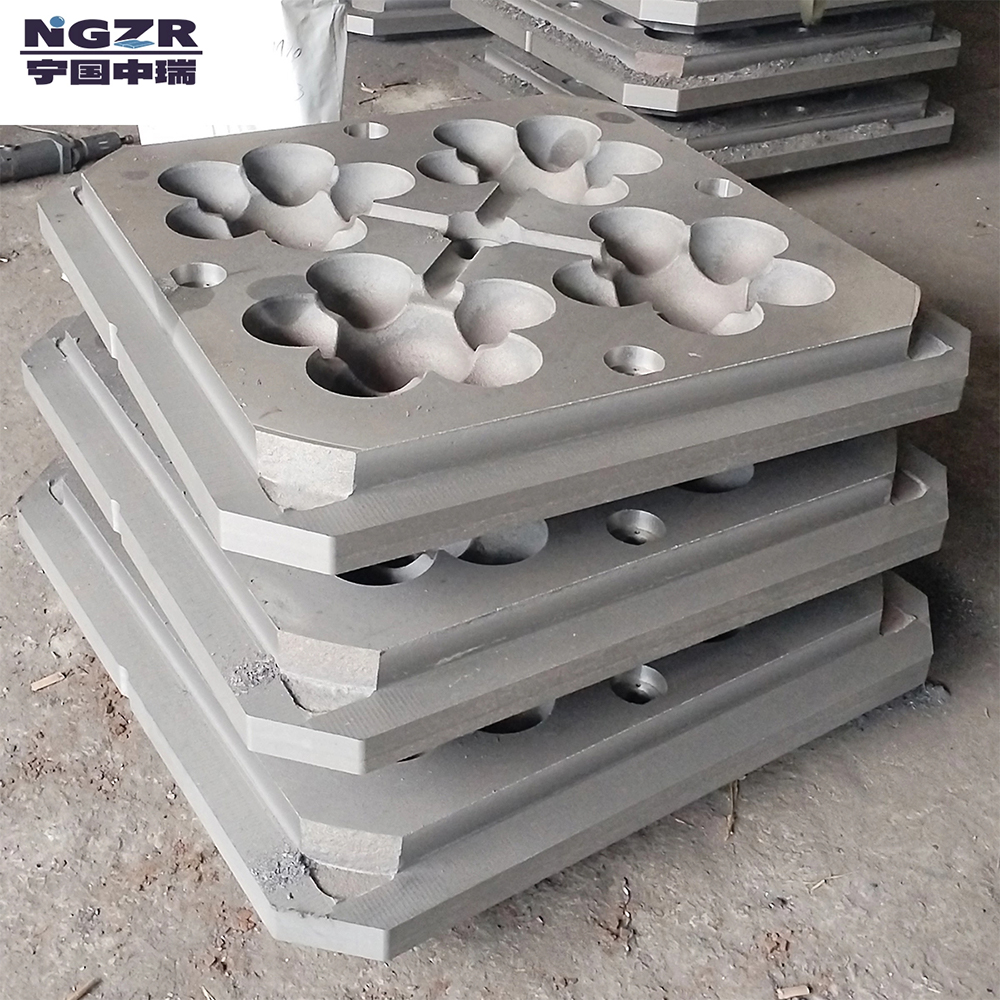








Anhui Ningguo Zhongrui Wear-Resistant Materials Co., Ltd. manufactures cast brackets and structural castings for solar photovoltaic mounting systems at our foundry in Ningguo City, Anhui Province, China. We melt and pour ductile iron, carbon steel and alloy steel into column base brackets, rail clamps, adjustable hinge castings, purlin brackets and column end fittings that carry module rows, torque tubes and ground-mount frames.
As a Casting Bracket for Solar Photovoltaic manufacturer, we build each bracket from a customer drawing, a physical sample or an interface sheet. Grade, wall thickness, hole pattern, machining allowance and surface condition are agreed before the pattern is cut, so the casting reaching the coating or assembly stage already matches the structure it belongs to.
Photovoltaic Bracket Castings We Supply
Mounting systems combine cast and rolled components, so a bracket is always an interface part. We define which faces are machined, which faces stay as-cast, where the casting must sit flat against a rail or column, and which holes are drilled after casting.
Material and Process Route Selection
Material grade follows the duty of the bracket rather than a single default. Ductile iron is used where toughness and crack resistance matter; carbon and alloy steels are used where stiffness, machined interfaces or welding onto the structure dominate.
| Bracket duty | Material route | Moulding process | Key control point |
|---|---|---|---|
| Column base / foundation bracket | Ductile iron | Resin-sand shell moulding or iron mould sand coating line | Section soundness, base flatness, bolt hole pitch |
| Rail clamp / purlin bracket | Ductile iron or carbon steel | Shell moulding | Clamping thickness, slot geometry, clean edges |
| Adjustable hinge and angle casting | Carbon or low-alloy steel | Lost foam vacuum precision casting | Angular alignment, matched pairs, machined faces |
| Column cap / end fitting | Carbon steel or ductile iron | Shell moulding or lost foam | Wall thickness, insert or thread integrity |
| Heavy frame casting | Carbon or alloy steel | Resin-sand moulding in large boxes | Piece weight, machining allowance, dimensional stability |
Heat treatment is selected with the grade: quenching and tempering or annealing is applied where the drawing calls for a defined hardness and structure, using our automatic temperature-controlled lines.
Foundry Capability Behind the Range
Bracket work runs on the same plant as our wear-resistant castings, with dedicated pattern, melting, pouring, heat treatment and inspection stages.
- 2 fully automatic iron mould sand coating production lines and 4 robotic arm shell moulding machines
- 1 fully automatic lost foam mould production line for precision brackets and closed geometries
- 1 automatic quenching + re-heat treatment line and 2 automatic flipping annealing furnaces
- 3 VIP-1800 series melting furnaces with temperature-controlled melting and constant-temperature pouring
- Cabinet-type PRO spectrometer, carbon-sulfur analyzer, hardness tester and far-infrared temperature measuring instrument
Moulding boxes on the large-part route accommodate castings up to approximately 5000 × 5000 × 1000 mm with individual piece weight to about 1500 kg; smaller and more detailed brackets run on the lost foam line. Annual capacity for cast balls and castings is 60,000 tons, and every size limit is checked against the actual pattern before we quote. The same ductile iron route also produces ductile iron cast cases for water pumps and heavy industrial motors.
Critical Specifications We Confirm Before Pouring
Each bracket order is reviewed against a short specification set that determines the pattern, the melt and the final inspection.
- Material grade, target chemistry and required hardness
- Wall thickness, minimum section and weight of the finished casting
- Hole positions, diameters, slot lengths and drilled versus cast holes
- Flatness and parallelism of faces that seat on rails, columns or footings
- Machining allowance on faces and bores that will be finished after casting
- As-cast surface condition, blast cleaning requirement and marking for traceability
Surface Condition and Outdoor Durability
A photovoltaic bracket stays outdoors for the life of the array, so the casting surface is treated as part of the corrosion system rather than a finishing detail. We control the as-cast skin, gate and riser removal, and the blasting grade so that the downstream galvanizing or coating line achieves full coverage on edges and holes.
- Fettling and blast cleaning before dispatch, with burrs removed from clamping faces
- Machining allowance left where the customer finishes bolt seats or bores after galvanizing
- Drainage and venting geometry considered on closed sections to suit the coating process
- Batch marking retained so parts remain identifiable after surface treatment
Installation Interface and Assembly Fit
Site assembly speed depends on how cast brackets meet rolled rails and columns, so interface dimensions are fixed at the quotation stage and verified on pre-production samples where the quantity justifies it.
- Bolt hole pitch and hole clearance matched to the rail or purlin section
- Matched hinge halves and paired castings supplied as sets, marked by position
- Seating faces kept flat enough for shimming without introducing point loads
- Corner and edge radii agreed to avoid stress raisers at bolted connections
Quality Control and Acceptance
Melting is monitored before and after each batch, so chemistry is corrected before pouring rather than after the casting has cooled. Pouring temperature is measured with a far-infrared instrument and held within the range set for the grade.
- Pre-melt and post-melt spectrometer analysis with carbon-sulfur determination
- Temperature-controlled melting, constant-temperature pouring and controlled cooling
- Visual inspection for cracks, slag inclusions, pores, sand holes, shrinkage cavities and cold shuts before dispatch
- Hardness verification on the agreed sample frequency
- Dimensional checks on critical features, with records issued on request
Our management systems are certified to ISO9001, ISO14001 and ISO45001, and our utility model patent certificates cover several casting process improvements. The steel cap castings we produce for high-voltage insulators follow the same quality route across the utility infrastructure range, including Casting Steel Cap for Porcelain Insulator components.
Information We Use to Configure Your Solution
We prepare a bracket configuration and quotation from the following project inputs. Partial information is enough to open the discussion; missing items are confirmed during engineering review.
| Project input | Why we need it | What it determines |
|---|---|---|
| 2D drawing, 3D model or sample | Defines geometry and interfaces | Pattern making, moulding route, machining allowance |
| Material grade or service condition | Sets the melt and heat treatment | Chemistry, hardness, mechanical properties |
| Quantity and batch plan | Matches production to your build schedule | Pattern route, pour planning, packing |
| Surface protection requirement | Defines the preparation before coating | Blasting grade, as-cast condition, machined faces |
| Installation and interface details | Confirms the bracket meets the structure | Hole pattern, seating faces, paired components |
| Inspection and documentation needs | Agrees acceptance before production | Test records, hardness reports, dimension sheets |
Documentation, Packing and Delivery Scope
Bracket castings ship as a defined delivery scope rather than loose pieces, which keeps site installation predictable.
- Inspection records, hardness results and material documentation issued with the batch
- Parts marked or bundled by position where a bracket set belongs to one array section
- Packing agreed around handling weight, edge protection and container loading
- Spare and replacement brackets cast from the retained pattern for later project phases
Our full casting portfolio, including Steel Casting Parts and wear-resistant ranges, is produced at the same Ningguo plant, so structural brackets and replacement wear parts can be coordinated in one project programme.
Project Questions We Answer Most Often
What photovoltaic bracket components can you cast?
We cast column base brackets, rail and purlin clamps, adjustable hinge halves, column caps, end fittings and other structural brackets used in ground-mount, rooftop and tracker mounting systems. Work is done to customer drawings or samples; a 2D drawing or 3D model with hole positions, material grade and surface requirement is enough to start a quotation.
Which material suits a photovoltaic bracket casting?
Ductile iron is used for base plates, clamps and parts that must absorb impact without cracking. Carbon and low-alloy steels are used where stiffness, machined seats or welded connections govern the design. We confirm grade, heat treatment and hardness against the duty of the part and record the chemistry of every melt.
How is quality verified before shipment?
Each batch passes pre-melt and post-melt spectrometer analysis, carbon-sulfur determination, far-infrared pouring temperature measurement, visual inspection for cracks, slag inclusions, pores, sand holes, shrinkage cavities and cold shuts, plus hardness checks and dimensional verification on the agreed features.
What casting sizes and quantities can you handle?
Annual output for cast balls and castings is 60,000 tons. Large-route moulding boxes accommodate castings of roughly 5000 × 5000 × 1000 mm with single piece weight to about 1500 kg, while smaller precision brackets run on the lost foam line. Pour schedules are planned around your batch size and delivery programme.
How quickly do you respond to a project enquiry?
Inquiries received on working days are answered within 12 hours. Sending the drawing or sample, material, quantity, surface protection requirement and target delivery window lets us return a configuration and quotation in the first reply.



