


 English
  русский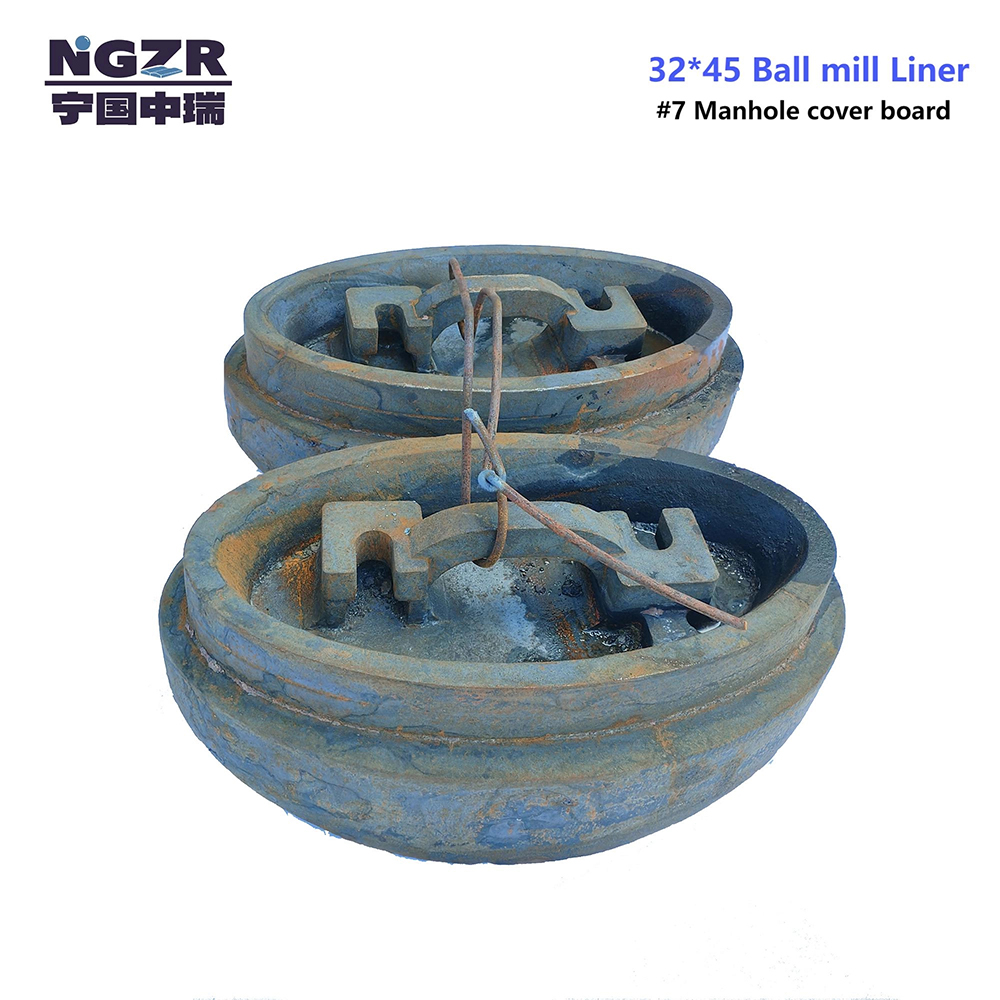
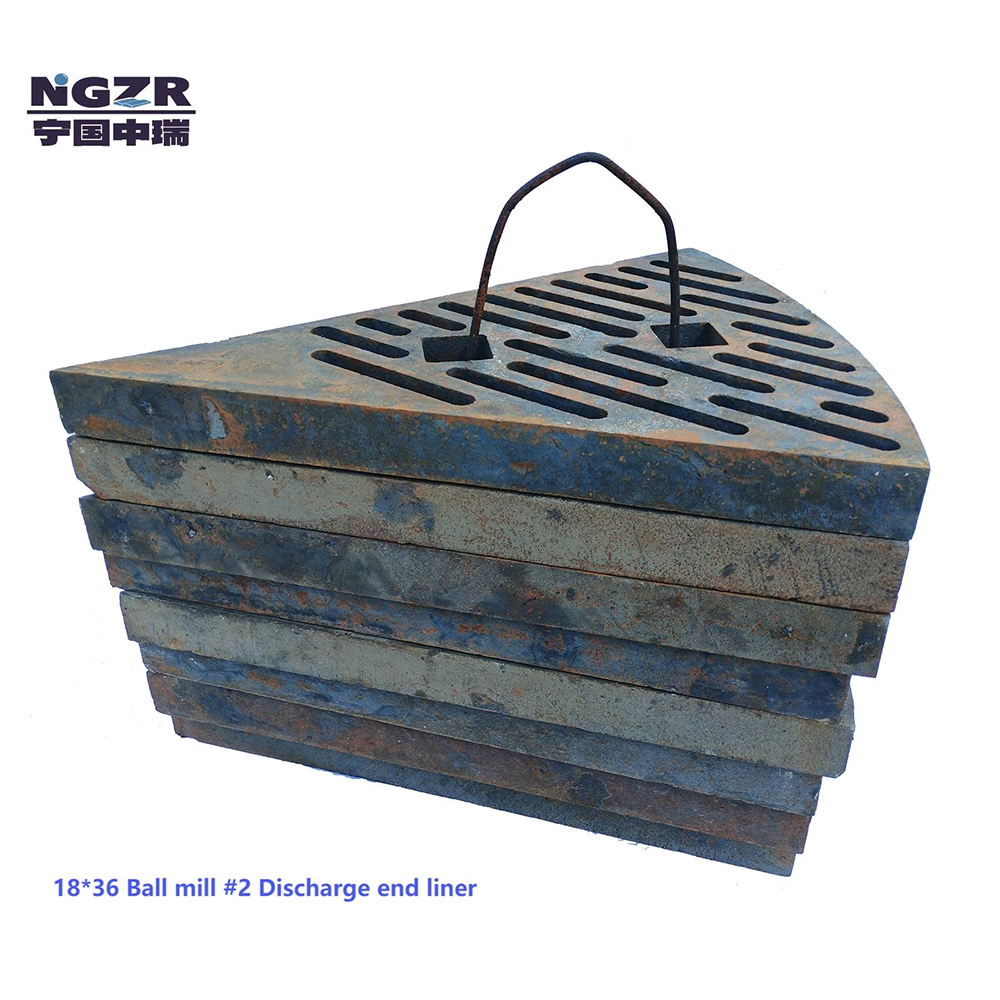
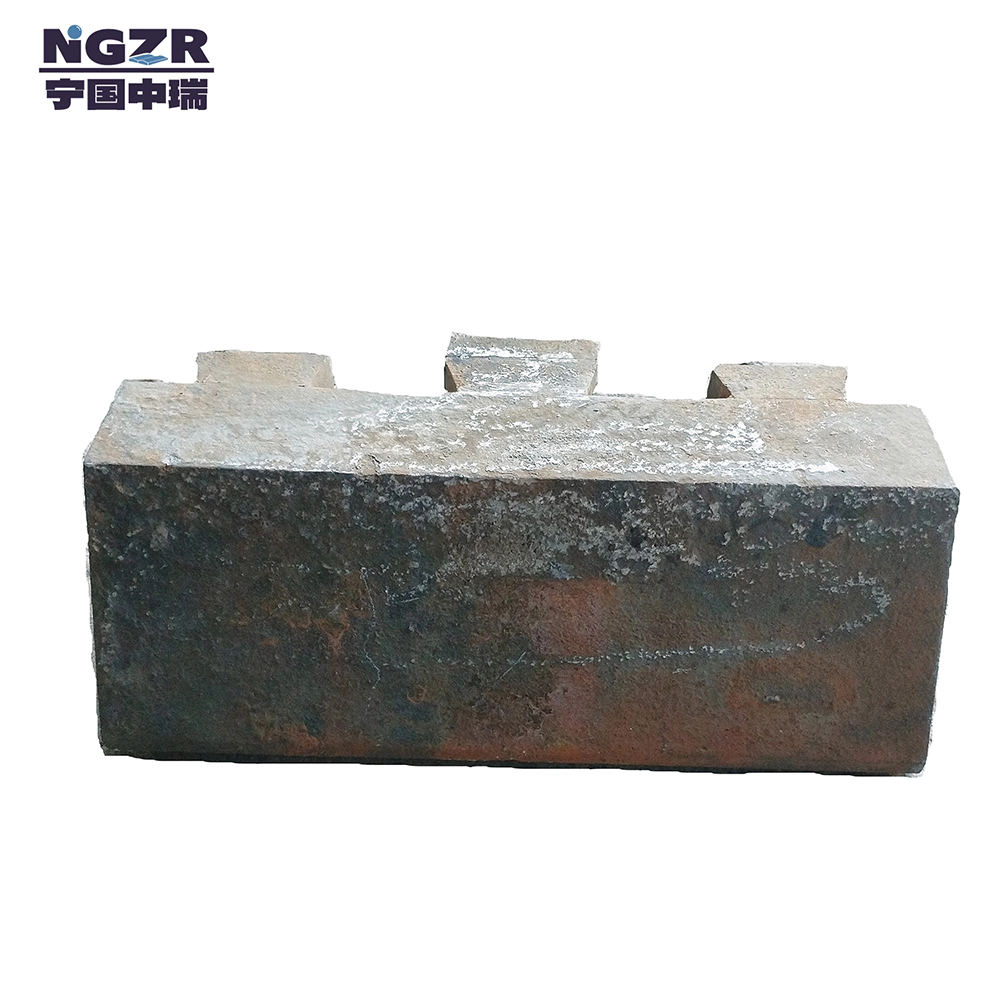
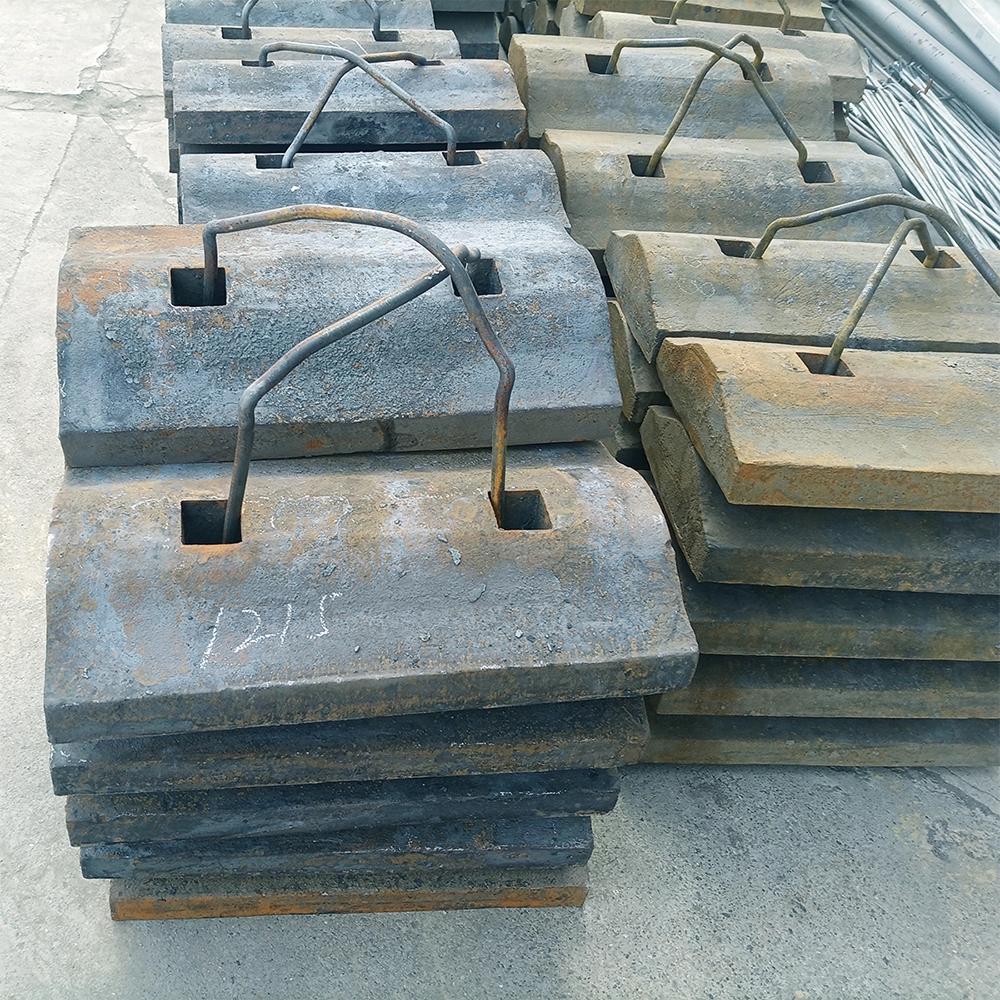








Anhui Ningguo Zhongrui Wear-Resistant Materials Co., Ltd. is a Casting Ball Mill Liner manufacturer working out of Ningguo City, Anhui Province, the Chinese cluster for wear-resistant castings. We pour shell liners, end-cover liners and composite liner sections for horizontal ball mills and semi-autogenous mills used in cement, mining, thermal power and chemical grinding circuits.
Our foundry runs high-chromium cast iron, medium-chromium alloy steel, Mn-Cr alloy steel, Mn13Cr2 and high manganese steel through lost foam vacuum precision casting, iron-mould sand-coating lines and shell moulding, followed by automatic closed-loop quenching and annealing. Annual capacity for cast balls and castings stands at 60,000 tons.
Cast Ball Mill Liners We Manufacture
The liner is the sacrificial surface inside the mill barrel: it lifts the charge, protects the shell and end cover, and shapes the grinding trajectory. We cast to the mill drawing, not to a generic profile, so the arc radius, thickness distribution and bolt pattern match the equipment already on site.
| Liner Category | Material | Reference Mill | Where It Fits |
|---|---|---|---|
| Mn-Cr alloy steel cast ball mill liner | Mn-Cr alloy steel | Φ3.2 × 4.5 m | High-impact primary chambers, coarse clinker and ore |
| High manganese alloy cast liner plate | High manganese steel | Φ1.8 × 3.6 m | Small and medium mills, work-hardening under ball impact |
| Mn13Cr2 alloy steel cast liner | Mn13Cr2 alloy steel | Φ2.1 × 5.7 m | Mixed abrasion and impact duty, cement and mineral grinding |
| Rubber & Mn-Cr alloy cast composite liner | Rubber plus Mn-Cr cast insert | SAG mill | Noise and weight reduction where impact energy is highest |
The same liner family anchors our wider Casting Mill Liner programme, which extends to Casting SAG Mill Liner sections and vertical mill liners. Grinding media from the same melt shop — including Grinding Ball and cylpebs — is matched to liner geometry so that charge trajectory and wear rate stay compatible.
Material Grade and Grinding Duty
Liner life is decided by the balance between abrasion and impact, not by hardness alone. A very hard high-chromium iron resists sliding abrasion in fine-grinding chambers, while manganese-bearing steel work-hardens under repeated ball strikes and holds up better in coarse, high-energy zones.
- High-chromium cast iron — fine grinding chambers, cement second chambers, mineral concentrates where abrasive slurry dominates.
- Medium-chromium alloy steel — general-purpose shell liners and end liners with a balanced abrasion/impact profile.
- Mn-Cr and Mn13Cr2 alloy steel — primary chambers with large ball charges and heavy drop height.
- High manganese steel — moderate mills and sections exposed to shock loading rather than continuous scouring.
- Rubber-cast composite — SAG and large-diameter mills where liner mass and noise are also design constraints.
Where Our Liners Sit in the Grinding Circuit
Ball mill liners reach the plant through three routes: new mill builds, scheduled relining of existing mills, and conversion of a liner profile that has been wearing too fast or too slowly. Each route changes what we need from the customer — original drawings and bill of materials for a new build, measured wear patterns and lifetime records for a conversion.
Typical duty conditions we design around include wet or dry grinding, feed top size, ball charge mass and diameter, mill speed relative to critical, pulp temperature and the abrasive chemistry of the ore or clinker. In cement plants, first-chamber liners face hot clinker and high impact, second-chamber liners face fine, highly abrasive powder. In mineral concentrators, wet acidic or alkaline slurry plus coarse gangue usually pushes the wear mechanism toward corrosion-assisted abrasion.
Critical Specifications We Confirm Before Pouring
- Geometry — developed arc radius, chord dimensions, thickness at lifter and at trough, taper and corner radii.
- Bolt pattern — hole diameter, hole pitch, bolt square or oval seat, countersink depth, and position relative to the mill flange.
- Lifter profile — lifter bar height, face angle and spacing that set the charge trajectory and the power draw.
- Wall thickness margins — accounting for the wear allowance consumed between relines.
- Unit mass — kept within the handling and bolting capability of the relining crew.
- Machining interfaces — faces and seats that must remain flat for gasket or backing contact.
Our general casting envelope accepts single pieces up to roughly 5,000 × 5,000 × 1,000 mm and up to 1,500 kg, which covers the liner sizes we normally supply for ball mills and SAG mills. Heavier or longer sections are reviewed against pattern feasibility before quotation.
Foundry Process Control and Inspection
Melting runs in three VIP-1800 series furnaces with temperature-controlled operation and constant-temperature pouring. Before and after each heat, a cabinet-type PRO spectrometer checks more than a dozen chemical elements, supported by a carbon-sulfur analyzer, so any composition drift is corrected before the pour rather than after.
Forming uses two fully automatic iron-mould sand-coating lines, four robotic shell-moulding machines and one fully automatic lost foam line. Heat treatment is handled by an automatic quenching and re-quenching line together with two automatic flipping annealing furnaces, which stabilises the metallographic structure and relieves casting stress across the section.
- Visual and dimensional check after shakeout — surface cracks, slag, porosity, sand holes, shrinkage and cold shuts are rejected at this stage.
- Hardness verification with a hardness tester, with far-infrared temperature measurement used through melting and pouring.
- Physical property testing room for batch-level material records.
- Management systems certified to ISO9001, ISO14001 and ISO45001, with Safety Production Standardisation and utility model patents held by the company.
Installation, Bolting and Change-Out Support
Liners are supplied as individual plates or as a full mill set with sequence marking, so the relining crew can follow the drawing order around the shell and end cover. Bolt seats, washers, sealing details and backing arrangement specified on the mill drawing are matched during layout so the delivered set corresponds to the mill, not to a stock pattern.
For composite liners, the rubber body and cast insert are bonded and positioned as one assembly; the cast insert carries the impact zone while the rubber absorbs energy and reduces noise. Installation guidance covers torque sequence, tightening pattern, backing application and the checks to be made before the mill is charged.
Maintenance, Spares and Documentation
Liner life is monitored through wear measurement at fixed points on each plate. When a single zone wears ahead of the rest — commonly the first rows after the feed end or the highest lifter bars — we adjust thickness distribution, profile angle or alloy grade for that position rather than replacing the whole set on the same schedule.
Repeat orders are held against the original pattern and heat records, which shortens the path back to a known configuration. Each shipment is accompanied by the packing list, drawing reference, dimensional inspection record and material test record for the batch.
Information We Use to Configure Your Solution
| Project Input | What We Need From You | How It Shapes the Proposal |
|---|---|---|
| Mill identity | Diameter × length, mill type, drawing or part numbers | Confirms pattern availability and arc development |
| Duty data | Feed material, top size, moisture, wet or dry grinding | Drives alloy selection and thickness margin |
| Charge details | Ball diameter range, charge mass, mill speed | Sets impact versus abrasion balance |
| Current liner performance | Wear photos, measured residual thickness, service hours | Identifies the limiting zone for profile revision |
| Fastening | Bolt size and type, hole pattern drawing | Fixes hole layout during pattern preparation |
| Order and delivery scope | Full set or wear-prone positions, quantity, marking needs | Defines set composition, packing and sequence marking |
Frequently Asked Questions
Which mill sizes can you supply liners for?
Our current liner range covers mills such as Φ1.8 × 3.6 m, Φ2.1 × 5.7 m and Φ3.2 × 4.5 m, and we quote against mill drawings for other shell diameters. Send the part list or the drawing set and we confirm which profiles already have patterns and which need new pattern work.
Which material should be used in the first and second chamber?
Coarse first chambers with large balls and high drop energy generally suit Mn-Cr, Mn13Cr2 or high manganese steel, which work-harden under repeated impact. Second chambers and fine-grinding zones, where sliding abrasion dominates, normally run high-chromium cast iron. We confirm the choice against your feed, ball charge and measured wear pattern rather than applying one grade across the whole mill.
How is the fit of a liner set verified before shipment?
Bolt-hole pitch, arc radius, thickness at lifter and trough, and overall length are checked against the approved drawing, with dimensional records kept for the batch. For repeat mill sets, the original pattern and heat records are reused so a replacement plate drops into the same position.
What production capacity stands behind liner orders?
The plant produces 60,000 tons of cast balls and castings annually, with a dedicated casting workshop, white mould cutting workshop, heat treatment workshop, finished product workshop and physical property testing room. Three VIP-1800 melting furnaces support liner heats alongside grinding media production.
Which documentation accompanies a liner shipment?
Each batch is issued with the packing list, drawing reference, dimensional inspection record and material test record covering chemical composition from the PRO spectrometer and hardness results. Documentation is matched to the order reference so it can be filed with your mill maintenance history.
Can you produce liners to our own drawing and alloy specification?
Yes. Custom work is the basis of our foundry operation — we cast to customer drawings and can work to a specified alloy family, hardness target and dimensional tolerance. Working day enquiries are answered within 12 hours.



