


 English
  русский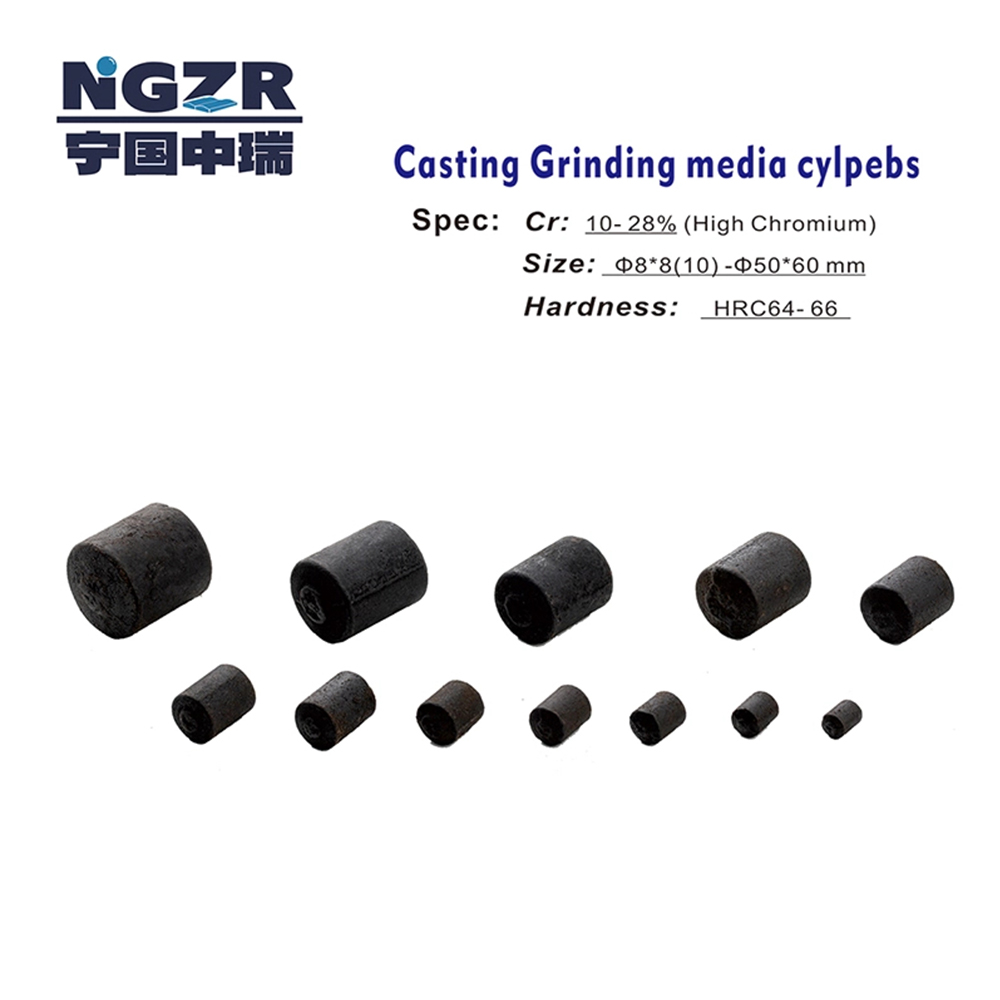
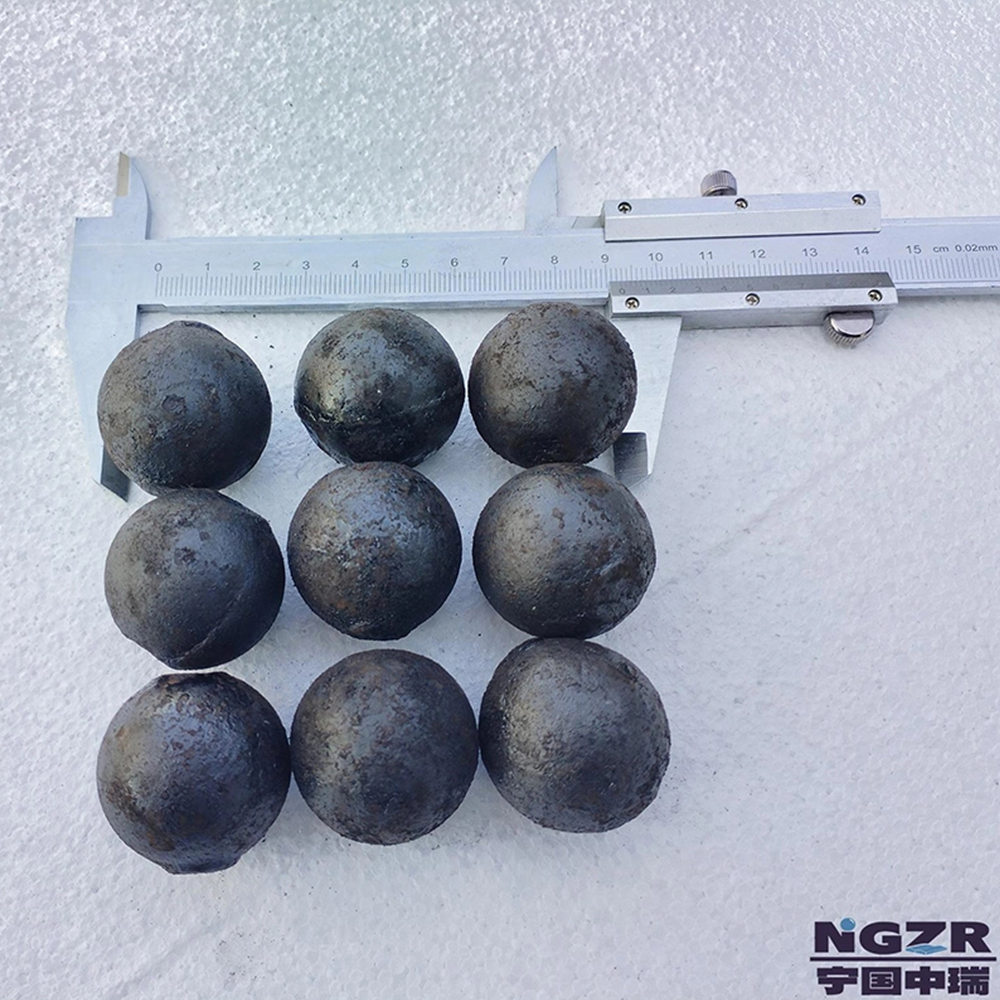
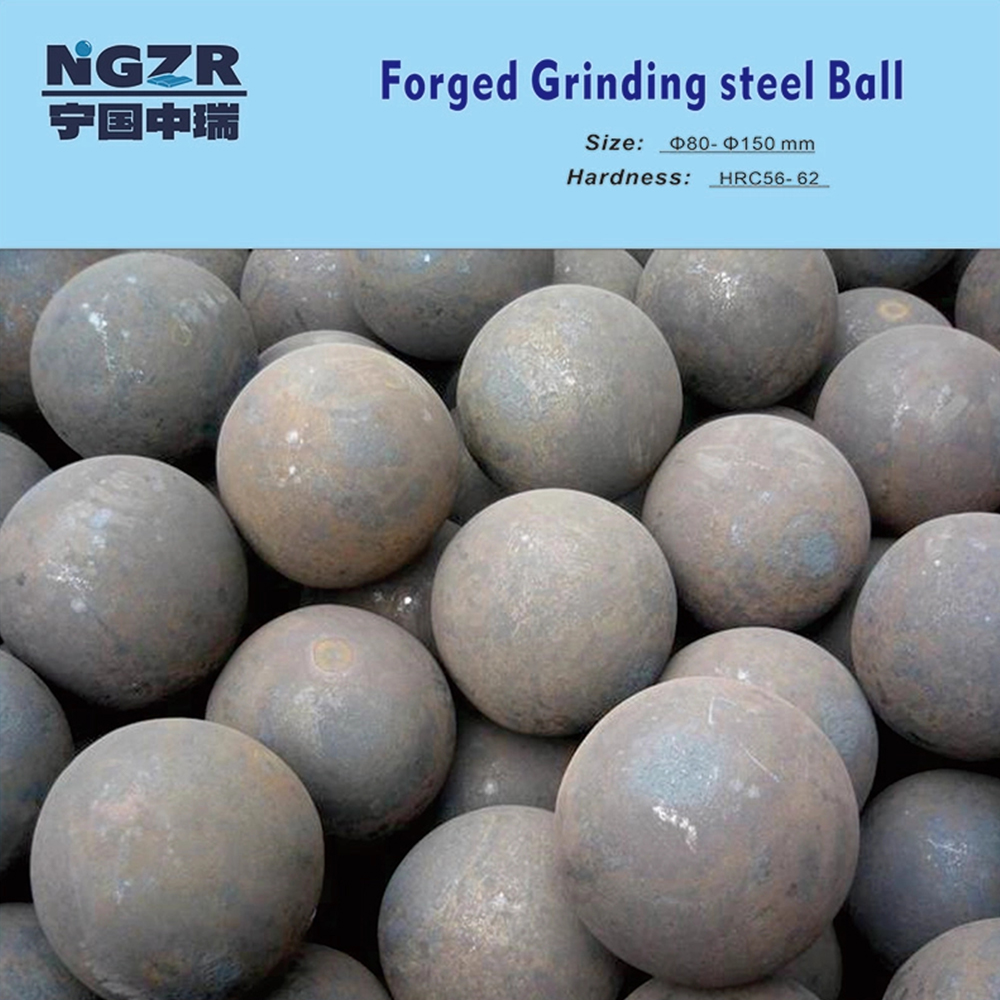
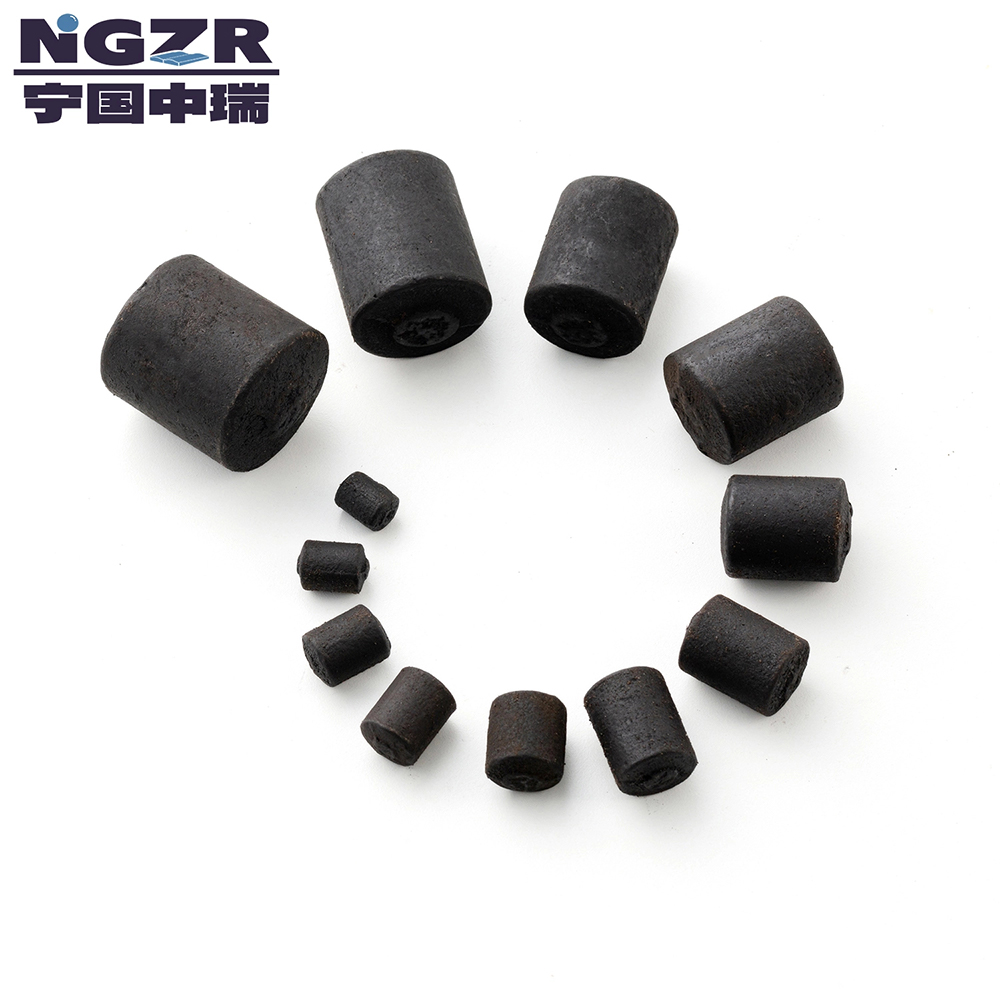
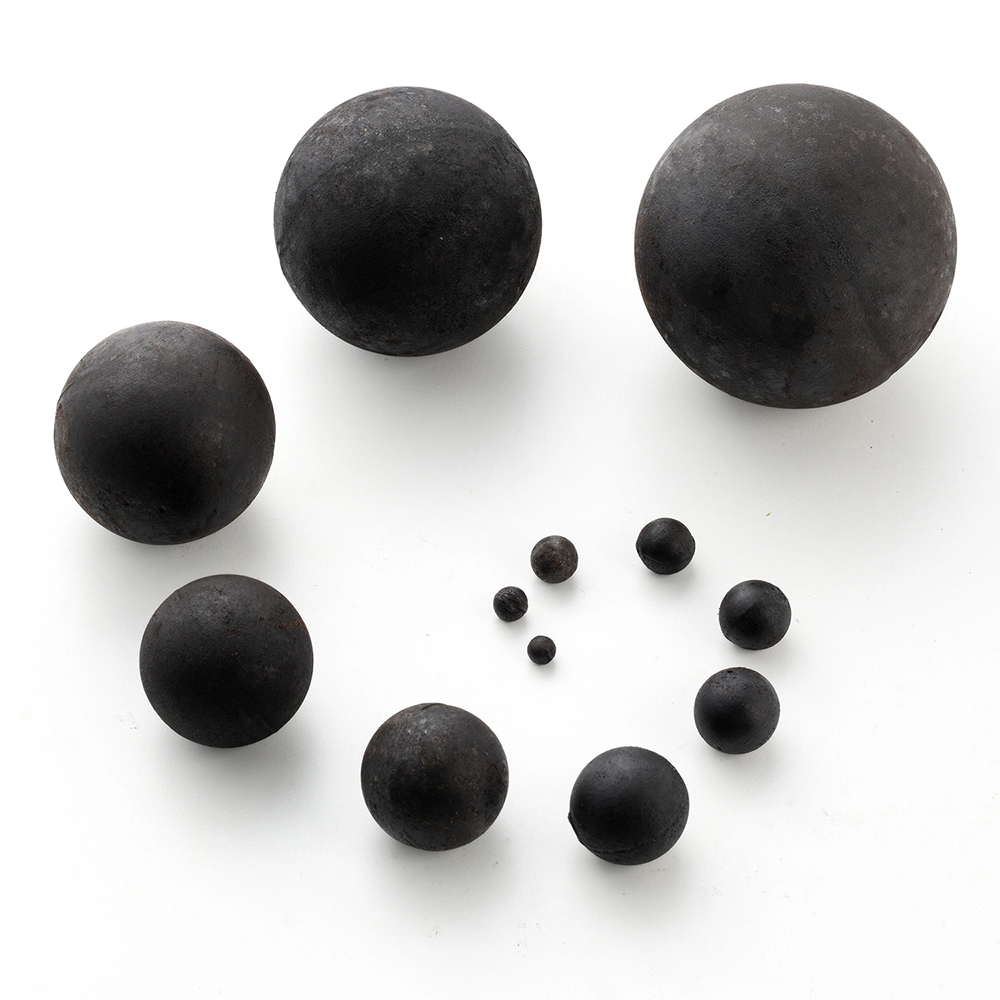








Anhui Ningguo Zhongrui Wear-Resistant Materials Co., Ltd. produces cast grinding media in Ningguo City, Anhui Province, China, the centre of the country's wear-resistant casting industry. We pour high-chromium, medium-chromium and low-chromium alloy grinding balls, cylpebs and rods on automatic iron mould sand-coating lines, verify every heat by spectrometer analysis and far-infrared temperature measurement, and finish it in an automatic quench-and-reheat line. Cast ball and casting capacity reaches 60,000 tons per year, and our specification range runs from Ф8 mm to Ф150 mm.
- Media forms: cast grinding balls, cylpebs and rods, supported by cast mill liners that complete the charge-and-liner system.
- Wear classes: graded high-chromium cast iron, medium-chromium and low-chromium alloy cast iron, CADI, and bimetal composite castings.
- Circuits served: cement, mining SAG, ball and tower mills, coal-fired power generation, chemical and mineral processing.
Cast Grinding Media Range We Supply
As a Casting Grinding Media manufacturer we organise the range by media geometry, because shape decides how grinding energy reaches the feed. A sphere delivers concentrated impact and rolling attrition; a cylpeb presents more surface contact per unit of mass; a rod grinds along a line and produces a narrower particle-size spread. Each of the three forms is cast in the same foundry, on the same alloy programme, and released through the same testing room.
| Media form | Cast section | Mill duty fit | Typical circuit |
|---|---|---|---|
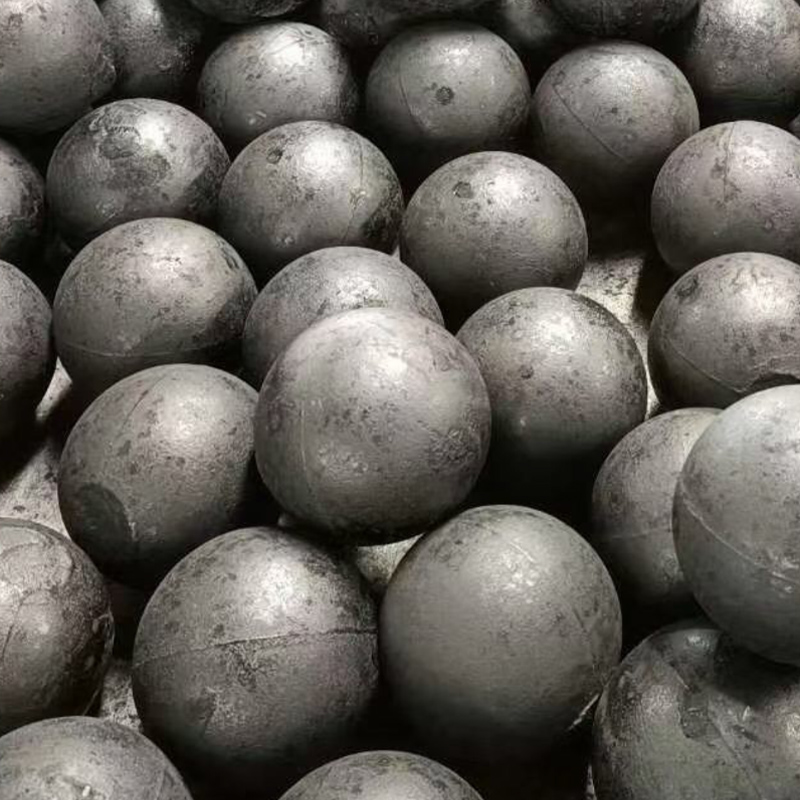
| Grinding Ball | Cast spheres across the small-diameter and large-diameter casting lines | Primary charge for impact breakage, and secondary charge for combined impact and attrition | SAG mills, ball mills, tower and regrind mills, cement mills |
| Grinding Cylpebs | Cast short cylinders, supplied on their own or blended into a ball charge | Fine grinding with high contact area, for mills chasing a tighter product residue | Cement finish mills, mining secondary ball mills |
| Grinding Rods | Cast rods finished to the ordered diameter and length | Line-contact coarse grinding where an even size distribution is preferred over slime generation | Rod-charge mills and coarse grinding stages ahead of a ball mill |
Grade and geometry are selected together. Grinding balls and Grinding Cylpebs from the same alloy behave differently in a given chamber, and a low-chromium grade may be the economical choice where feed abrasiveness is mild.
Material Grades and Metallurgical Control
Our production programme covers the chromium classes that the source melts support, and the choice follows the abrasion and impact balance of the duty rather than a single default grade.
- High-chromium cast iron: graded alloy chemistry for abrasive clinker and hard ore duties, applied in our GM-1 class balls for ball, SAG and tower mills and in GM-2 class cylpebs for cement and mining mills.
- Medium-chromium alloy cast iron: a middle position for feeds where abrasive wear and repeated impact act at the same time.
- Low-chromium alloy cast iron: a consumption-oriented grade for moderate abrasion, such as the GM-5 low-chromium media used in coal-fired power plant ball mills.
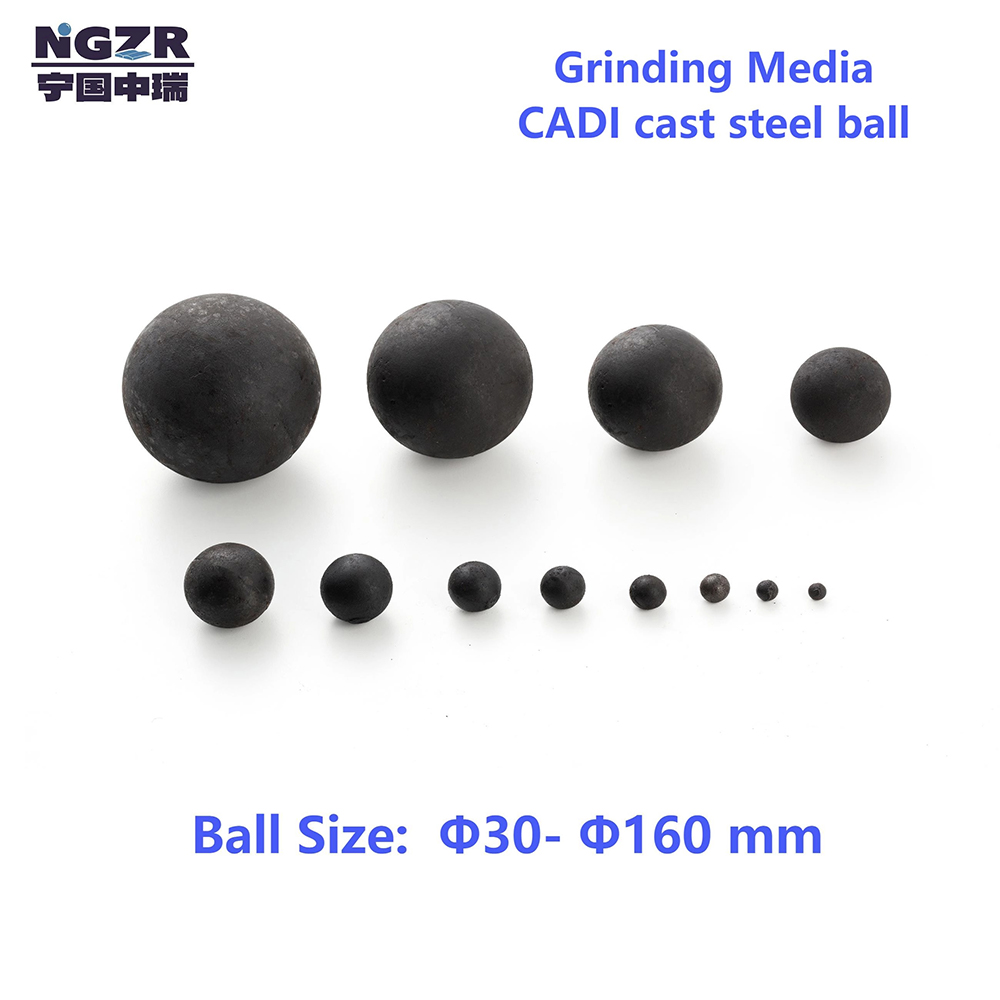
- CADI (carbidic austempered ductile iron): a hard carbide phase carried in a tougher matrix, selected for SAG duty where charging impact is severe, as in GM-4.
- Bimetal composite casting: a wear-resistant working layer bonded to a stronger backing, used where a single alloy cannot satisfy both faces of the duty.
Lost foam vacuum precision casting and automatic closed-loop heat treatment are the two process pillars behind these grades. Quenching and reheat treatment are temperature-controlled rather than operator-judged, which keeps the carbide distribution and matrix condition consistent from heat to heat.
Application Fit Across Grinding Circuits
Clinker and raw meal grinding in ball mills, where high-chromium balls handle first-chamber impact and cylpebs or small balls sharpen the finish-chamber residue.
SAG mills charged with large-diameter balls or CADI media, ball mills on the secondary stage, and tower or regrind mills running the small-diameter, high-hardness end of the range.
Pulverising ball mills working coal at moderate abrasion, where low-chromium media give a predictable cost per ton ground.
Cylpebs and small cast balls in circuits where a uniform fine product and stable media consumption matter more than peak impact energy.
Charge Design and Configuration Options
Media diameter is only one variable in a charge. Before we confirm a supply, we settle the initial charge size distribution, the operating top-up size, the alloy grade mix and the expected make-up rate, so the mill holds its power draw and target product size as the charge wears down.
- Single-size or graded initial charge, sized against feed top size and target P80.
- Shape blend: all-ball charge, cylpeb-only charge, or a ball-plus-cylpeb mix for finish chambers.
- Grade split between first and second chambers, or between SAG and ball stages.
- Top-up schedule expressed as grams per ton ground, aligned with the mill's daily media addition practice.
- Liner pairing considerations, since liner profile and media size jointly control the charge trajectory inside the shell.
Our Grinding Rods are specified the same way: diameter and length are set from the mill dimensions and the required rod-charge mass, not from a stock list.
Melting, Pouring and Heat Treatment Capability
Grinding media performance is fixed before the ball ever reaches a mill. Our plant runs the following equipment as an integrated line rather than separate departments:
- 2 fully automatic iron mould sand-coating production lines for volume cast ball output.
- 4 mechanical arm shell moulding machines and 1 fully automatic lost foam mould production line for precision and composite work.
- 3 sets of VIP-1800 series melting furnaces with temperature-controlled melting.
- 1 fully automatic heat treatment quenching and reheat production line, plus 2 automatic flipping annealing furnaces.
- Cabinet-type PRO spectrometer, carbon-sulfur analyzer, hardness tester and far-infrared temperature measuring instrument.
Casting takes place on a dedicated casting ball workshop, with separate white-mould cutting, heat treatment, raw material and finished product workshops and an on-site physical property testing room.
Quality Control and Batch Acceptance
Every heat is checked twice: once before pouring and once after, so that a deviation is corrected in the furnace instead of discovered in a finished casting.
| Check | Method | Purpose |
|---|---|---|
| Chemical composition | Direct-reading spectrometer, pre-melt and post-melt | Confirm the alloy grade and adjust before pouring |
| Carbon and sulfur | Carbon-sulfur analyzer | Control the carbon balance that drives hardness and toughness |
| Pouring temperature | Far-infrared measurement on constant-temperature pouring | Consistent mould fill and sound castings |
| Surface and internal soundness | Initial visual inspection, then polishing of accepted pieces | Reject cracks, slag inclusions, pores, sand holes, shrinkage cavities and cold shuts |
| Hardness | Hardness tester in the physical property testing room | Verify the heat treatment result before release |
The company operates under ISO9001 quality, ISO14001 environmental and ISO45001 occupational health and safety management certification, together with Safety Production Standardization recognition, and holds utility model patent certificates on file.
Information We Use to Configure Your Solution
A grinding media proposal is only as good as the circuit data behind it. These are the inputs that let us fix media size, grade, shape blend and make-up rate for a specific mill:
- Mill type and duty (SAG, ball, tower, rod, coal pulveriser)
- Shell diameter, chamber length and configuration
- Speed as percentage of critical, and installed power
- Feed top size and F80, target P80 or residue
- Bond work index or plant grindability figure
- Wet or dry grinding, slurry density where applicable
- Current charge size distribution and charge mass
- Consumption in kg per ton ground and breakage experience
- Liner profile and wear pattern in the chamber
- Annual tonnage and delivery schedule
- Grade preference, size splits and packaging requirement
- Port of discharge and documentation language
Supply Scope, Documentation and Charge Management
Each order is built around a defined charge: the initial fill size distribution, the alloy grade, the top-up size and the expected make-up rate, all stated in the order documents. Packing and labelling are fixed at order confirmation so that receiving stores can match every delivery to its batch record, and the chemical composition and hardness results recorded in our physical property testing room travel with that batch.
When a mill changes feed, liner profile or target fineness, we re-run the charge calculation and propose the size and grade adjustment rather than leaving the existing charge in place. That support continues through the first charge cycle, when consumption data from the plant is compared against the configuration we proposed.
Frequently Asked Questions
Which media form suits my mill, a ball, a cylpeb or a rod?
Balls carry the highest impact energy and are the standard charge for SAG and ball mills. Cylpebs increase surface contact in a finish chamber and are widely used in cement and mining secondary mills. Rods suit line-contact coarse grinding where an even size distribution is preferred. We confirm the choice from the mill type, feed size and target product size in your enquiry.
What size range can Zhongrui cast?
Our specification range runs from Ф8 mm to Ф150 mm, covering large-diameter balls for SAG and primary ball mills, small cast balls and cylinders for fine grinding, and large castings for the mill liner and crusher wear side of the same plant.
How is composition and hardness controlled before shipment?
A German-imported direct-reading spectrometer checks more than a dozen elements within a minute, both before and after melting, and any deviation is corrected before pouring. Carbon and sulfur are measured separately, pouring temperature is read by far-infrared instrument on the constant-temperature pouring line, and hardness is verified in the physical property testing room.
Can you supply a full initial charge rather than a single size?
Yes. We commonly supply a graded initial charge with the size split and grade mix we recommended for the mill, plus the operating top-up size. A blended ball-and-cylpeb charge is also available for finish chambers that need finer product control.
What information do you need for a grinding media quotation?
Mill type and dimensions, speed and installed power, feed top size and target P80, work index, wet or dry operation, current charge and consumption figures, annual tonnage, preferred grade, packaging and discharge port. With those inputs we can return media size, grade and make-up recommendations with the quotation.
Do you also supply the wear parts around the mill charge?
We cast grinding media, mill liners for ball, SAG and vertical mills, crusher wear parts, mining equipment wear castings and general steel castings, so a grinding line can be equipped from a single foundry source.



