


 English
  русский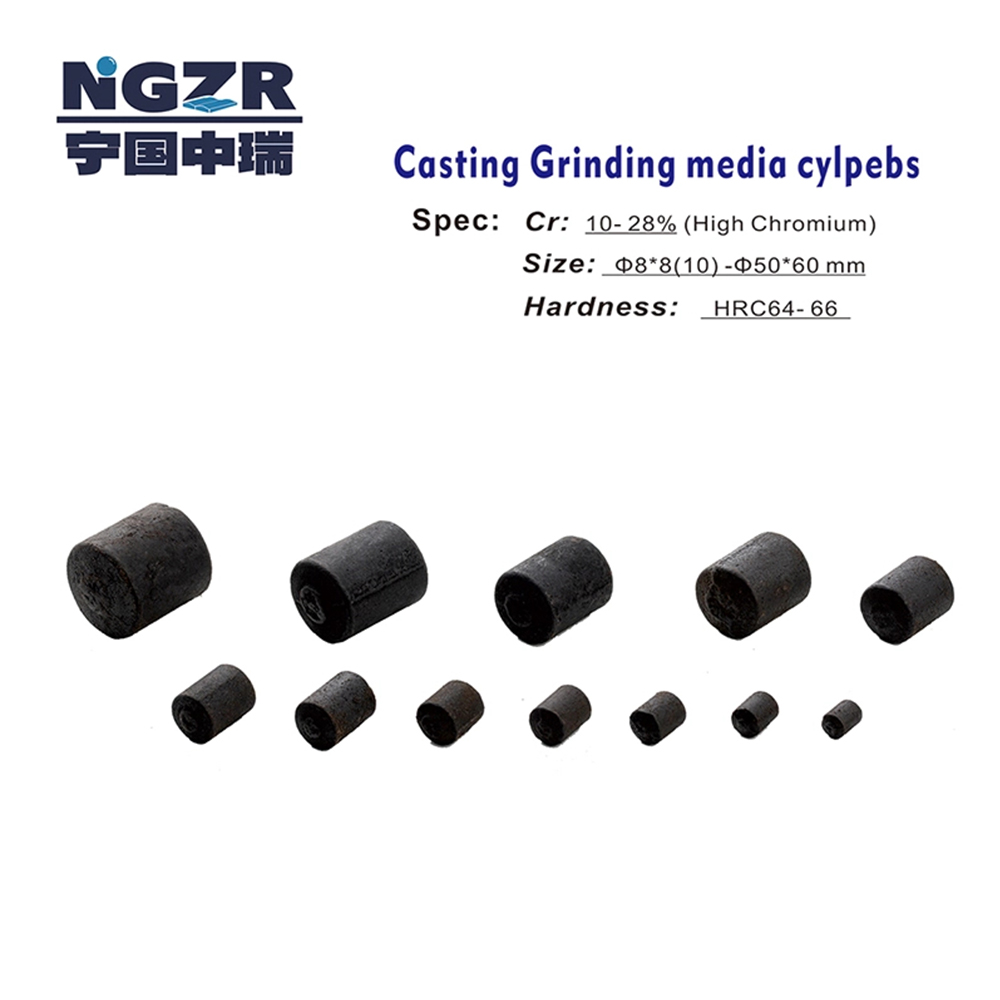
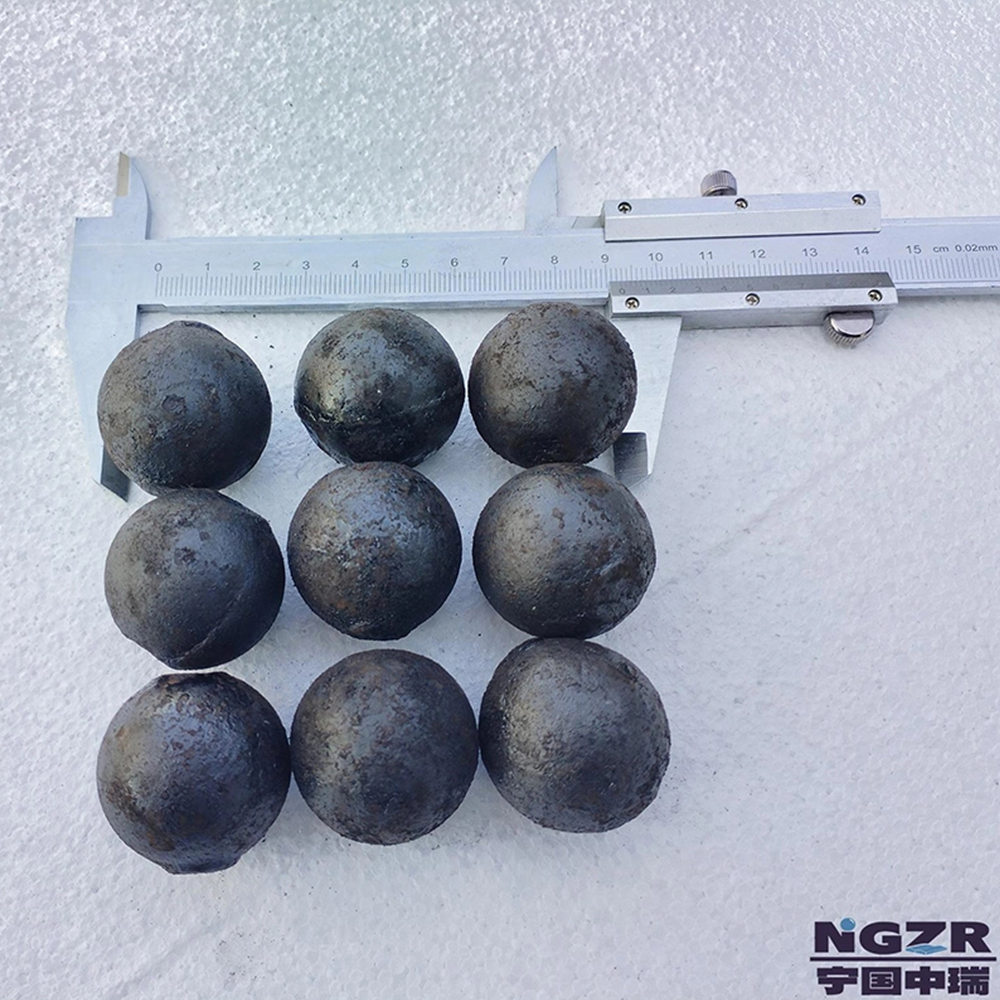
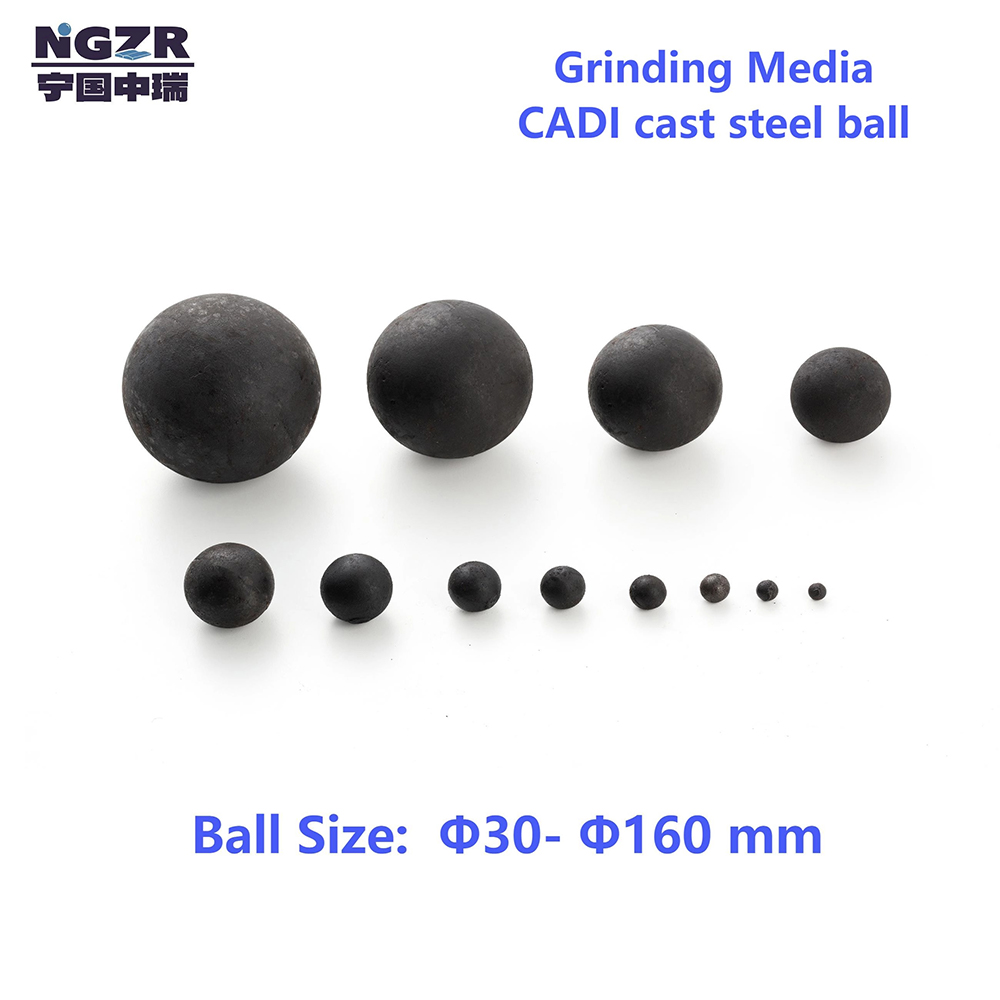
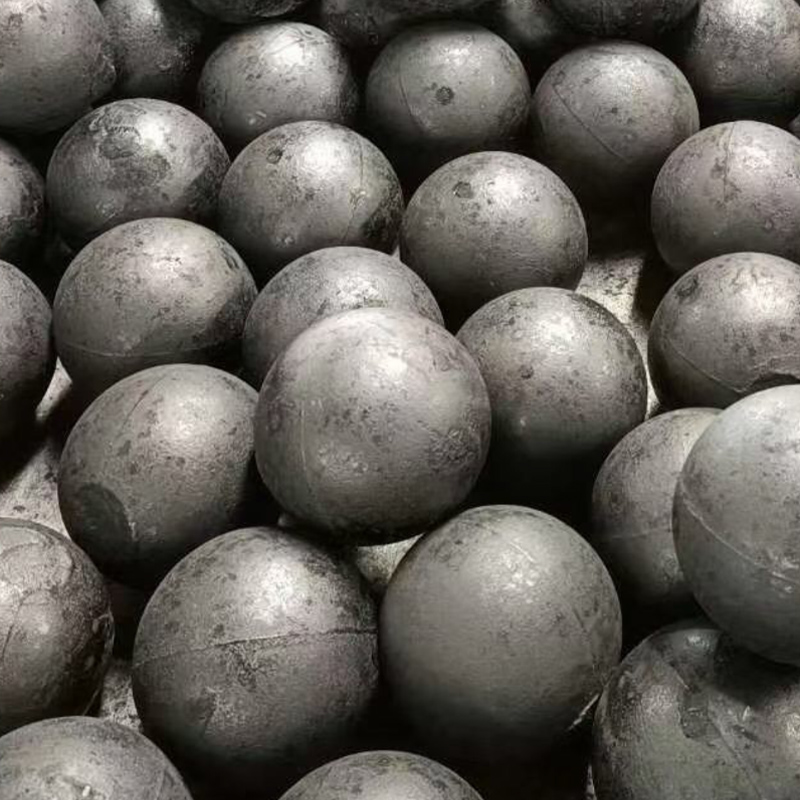
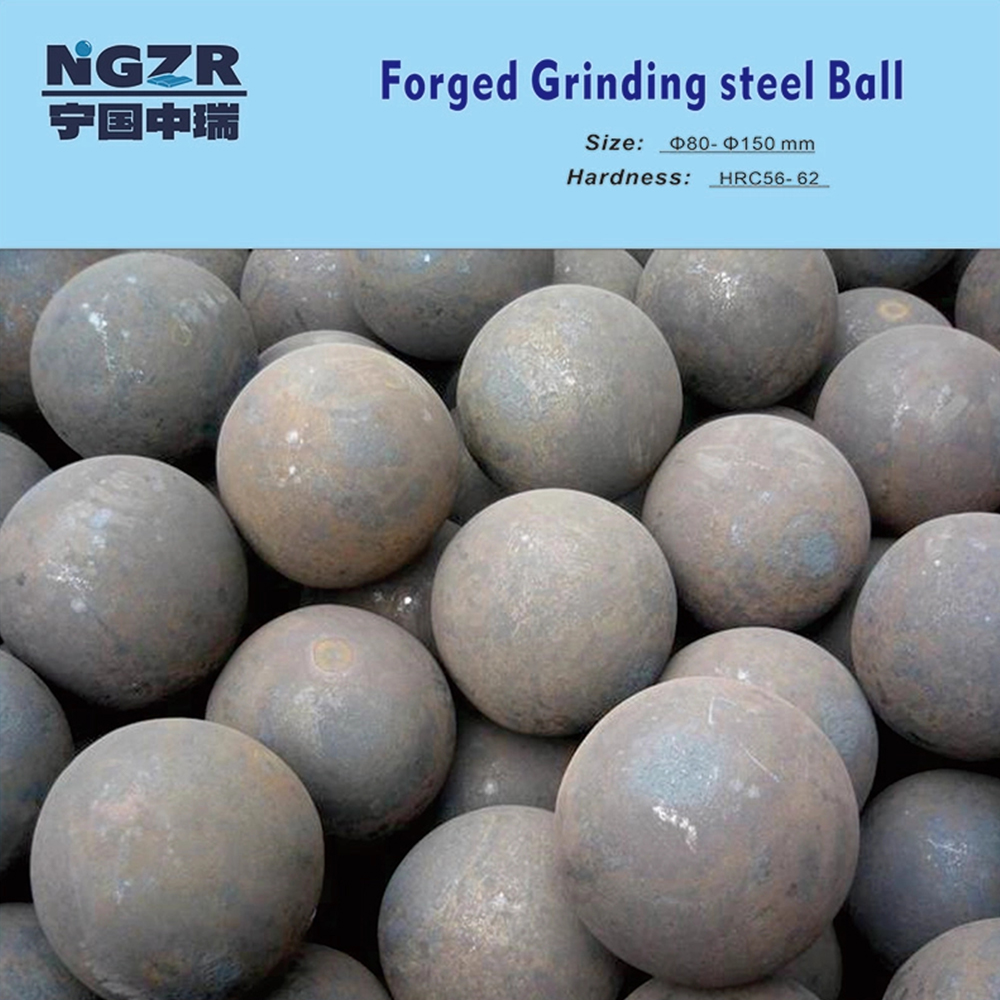
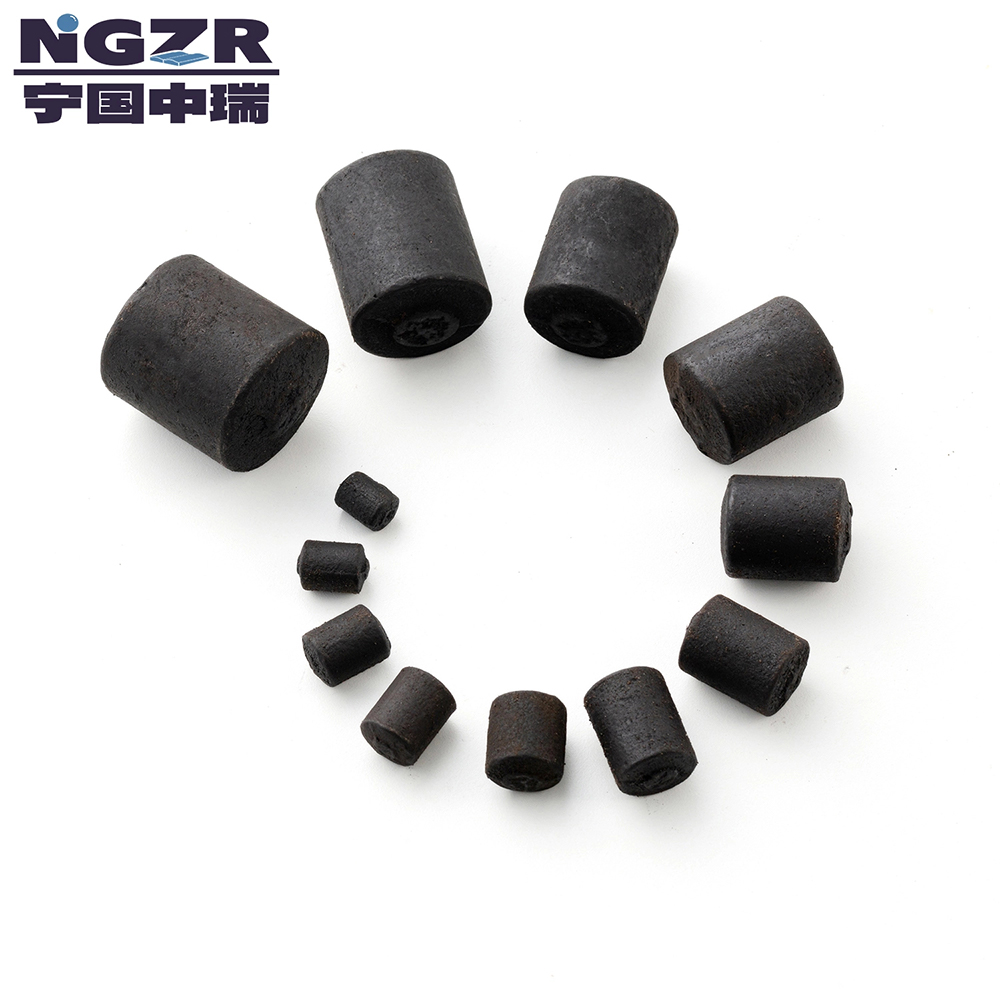
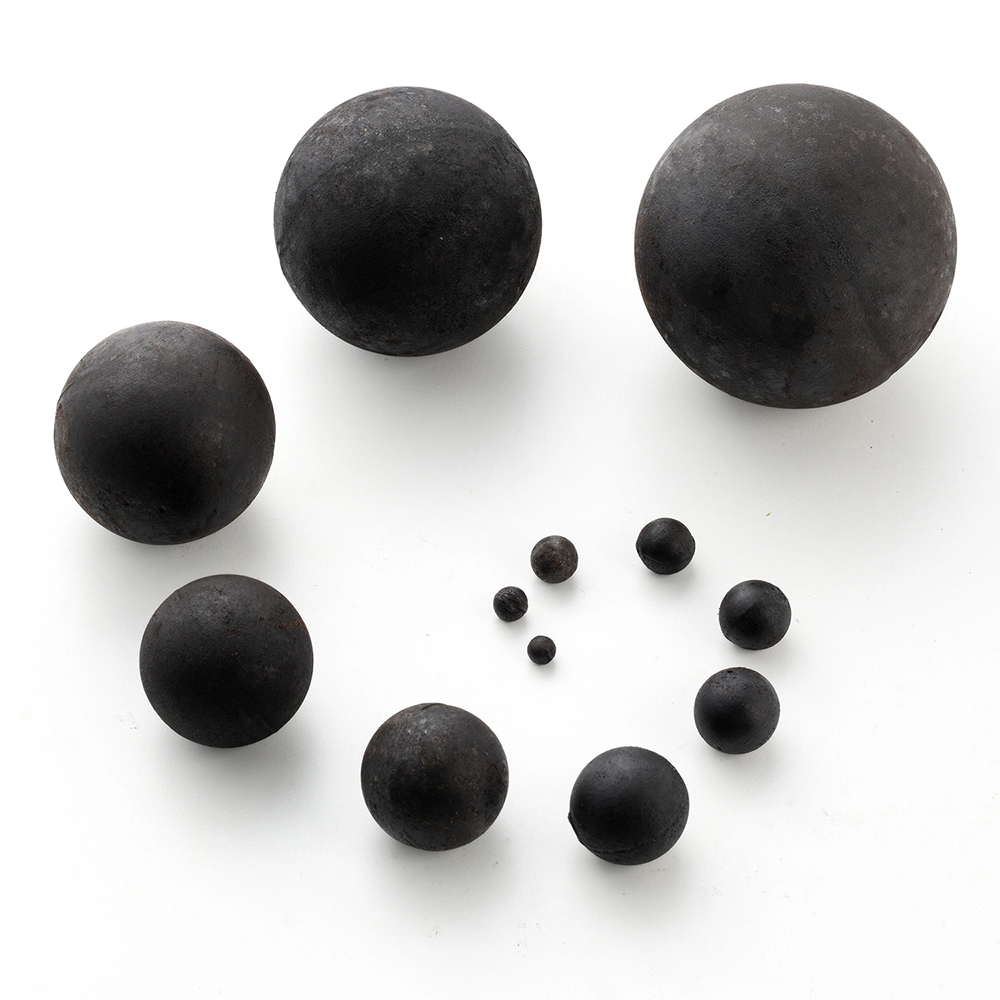








Anhui Ningguo Zhongrui Wear-Resistant Materials Co., Ltd. is a Grinding Ball manufacturer based in Ningguo City, Anhui Province, in the district known as the capital of China's wear-resistant casting industry. We cast high-chromium, medium-chromium and low-chromium alloy grinding balls, cylpebs and mill media on fully automatic iron mould sand coating lines and a lost foam precision casting line, with closed-loop quenching, reheat and annealing behind them and a physical property testing room alongside the workshops.
Our cast media runs in ball mills, SAG mills, tower mills and coal-fired power plant mills across cement, mining, thermal power and chemical processing. Because we also cast the Casting Mill Liner that lines the same shells, a grinding circuit can be equipped with media and liners from one foundry, selected against the same duty.
- 60,000 t annual capacity for cast balls and castings, produced across a cast ball workshop, casting workshop, white mould cutting workshop, heat treatment workshop and finished product workshop.
- Stated cast product size range of Ф8 mm to Ф150 mm, covering small charge media through large mill balls.
- Two fully automatic iron mould sand coating lines, four robotic shell moulding machines and one fully automatic lost foam mould production line.
- One automatic quenching and reheat treatment line, two automatic flipping annealing furnaces and three VIP-1800 series melting furnaces.
- Cabinet-type PRO spectrometer, carbon-sulfur analyser, hardness tester and far-infrared temperature measuring instrument in the physical property testing room.
- ISO9001, ISO14001 and ISO45001 management certification, Safety Production Standardization certification and registered utility model patents.
Our Grinding Ball Range
Our catalogue is organised around mill duty rather than around a single chemistry, so each item below is a defined working point rather than a generic ball.
| Product line | Media form | Mill / circuit | Construction notes |
|---|---|---|---|
| GM-1 High Chrome Cast Grinding Ball | Cast ball | Ball mill, SAG mill, tower mill | High-chromium cast iron for general mining and cement grinding duty. |
| GM-2 High Chromium Cast Grinding Cylpebs | Cast cylpeb | Cement and mining ball mills | Cylindrical media giving greater charge contact area for finer grinding stages. |
| GM-3 Φ125 mm Forged Grinding Media Ball | Forged ball | SAG mill | Large-diameter forged option for SAG charging where impact loading governs. |
| GM-4 CADI Cast Grinding Media Ball | Cast ball, carbidic austempered ductile iron | SAG mill | Carbides carried in a ductile iron matrix, balancing wear resistance with impact toughness. |
| GM-5 Low Chromium Cast Grinding Media | Cast media | Coal-fired power plant ball mill | Cost-driven chemistry for coal grinding circuits with moderate abrasion. |
| Φ30 mm High Chromium Cast Grinding Ball | Small cast ball | Tower mill | Small-diameter high-chromium media for fine and regrind tower mill duty. |
| High Abrasion-Resistant High Chrome Cast Steel Ball & Cylpebs | Ball and cylpeb | Cement ball mill | Combined ball and cylpeb supply for cement finish grinding chambers. |
Diameters outside the listed items are cast to order, including small media for regrind duty. The same foundry supplies Grinding Cylpebs and grinding rods inside our Casting Grinding Media programme, so a mill can be charged with a mixed media set sized chamber by chamber.
Alloy Families and Where Each One Fits
Chromium content and matrix structure decide whether a ball wears out slowly or breaks early. We select between the families below from the mill type, feed character and impact energy reported for the circuit.
| Alloy family | Behaviour | Typical fit |
|---|---|---|
| High-chromium cast iron | High carbide volume in a hardened matrix; abrasion resistance is the priority. | Ball mills, tower mills, cement finish and mining secondary grinding. |
| Medium-chromium alloy cast iron | Lower alloy addition with retained hardness and useful toughness. | Primary ball mill charges that see mixed impact and abrasion. |
| Low-chromium cast media | Cost-led chemistry for milder abrasive conditions. | Coal-fired power plant ball mills and comparable low-impact duty. |
| CADI — carbidic austempered ductile iron | Carbides carried in an austempered ductile iron matrix for toughness under impact. | SAG mills, where repeated high-energy strikes drive breakage risk. |
| Forged steel media | Wrought structure with uniform hardness through the section. | Large-diameter SAG charging, for example the Φ125 mm class. |
Where a circuit mixes duties — a SAG mill feeding a ball mill, for instance — we normally propose two different media specifications rather than one compromise grade, and quote them as separate line items.
Mill Type, Feed and Circuit Fit
- SAG mills: the top size and drop height set the fracture risk, so CADI or large forged media is specified and ball diameter is kept inside the mill's charge design.
- Ball mills: high-chromium and medium-chromium balls from small diameters upward, with make-up ball size derived from feed F80 and target P80.
- Tower mills: small high-chromium media in the Φ30 mm class, where grinding surface per unit mass matters more than impact energy.
- Coal-fired power plant mills: low-chromium cast media matched to softer, more friable feed and to the mill's top-up routine.
The same media families serve cement clinker and raw meal grinding, metal and non-metal mining, thermal power coal preparation and chemical raw material milling. Feed abrasiveness, pulp chemistry and mill speed all shift the working point, and we confirm the grade against those inputs before quoting.
Melting, Pouring and Heat Treatment Control
Molten iron is melted in IGBT module series-connected electric furnaces under temperature control. A German-imported direct-reading spectrometer reads more than a dozen chemical elements in about one minute, and we run analysis both before and after melting; any deviation is corrected before the heat is allowed to pour.
Pouring temperature is measured by far infrared and the automatic iron mould sand coating line pours at constant temperature. Castings then pass an initial visual inspection for cracks, slag inclusions, pores, sand holes, shrinkage cavities and cold shuts, and accepted semi-finished balls are polished before heat treatment.
Heat treatment runs through one automatic quenching and reheat line and two automatic flipping annealing furnaces with temperature-controlled cycles, which is what stabilises hardness and matrix structure from heat to heat rather than from operator judgement.
Size Range, Charge Design and Capacity
Small-diameter casting covers balls and cylpebs in the approximate 6–40 mm band on dedicated lines, while large media occupies 40–150 mm; the overall cast product range is stated as Ф8 mm to Ф150 mm. Annual output of cast balls and castings is 60,000 t, supported by three melting furnaces and the shell moulding and lost foam lines.
- Make-up ball size is derived from feed top size, ore hardness and the target grind, then checked against the mill's installed power and charge level.
- Chamber-by-chamber sizing is common in cement mills, where first-chamber media and finish-chamber media are quoted separately.
- Metallic moulds for fully automatic grinding media casting lines and hand-mould tooling are produced in the same foundry, which keeps ball geometry repeatable between production runs.
- Where cylinders or rods suit the circuit better than balls, we quote a mixed charge rather than forcing a single shape.
Quality Assurance, Testing and Acceptance
Each heat is traceable to its chemical analysis, and the physical property testing room checks hardness alongside the production line's own inspection points. Our management system is certified to ISO9001 for quality, ISO14001 for environment and ISO45001 for occupational health and safety, with Safety Production Standardization certification and registered utility model patents in the company's name.
| Acceptance item | How it is handled |
|---|---|
| Chemical composition | Spectrometer analysis before and after melting, with carbon-sulfur determination as required. |
| Hardness | Checked on the hardness tester after the quenching, reheat and annealing sequence. |
| Surface and internal soundness | Visual rejection of cracks, slag inclusions, pores, sand holes, shrinkage cavities and cold shuts, followed by polishing. |
| Dimension and mass | Nominal diameter and tolerance band confirmed against the order specification. |
| Pouring condition | Far-infrared temperature measurement with constant-temperature pouring on the automatic lines. |
Inspection scope and sampling are written into the order confirmation, so incoming inspection at the plant matches what was agreed rather than an assumed standard.
Customisation, Tooling and Documentation
We are primarily a customisation-led foundry. Chemistry can be adjusted to a circuit's abrasion and impact profile, diameter can be set to a requested size, and cylpeb or rod forms can be produced where the mill benefits from them. Mould tooling for automatic casting lines and for hand casting is made in-house, which shortens the route from a new ball size to a repeatable casting.
Delivery documentation follows the agreed packing and shipping arrangement, including the heat records and inspection data tied to the supplied media. Where a customer operates the same mill type across several sites, we keep the specification on file so later orders are cast to the same working point.
Information We Use to Configure Your Solution
A grinding ball specification is only as good as the circuit data behind it. The following inputs let us fix alloy, diameter and annual tonnage without guesswork.
| Project input | Why we need it |
|---|---|
| Mill type, diameter, length and speed | Sets impact energy and the usable media diameter ceiling. |
| Feed size F80 and target grind P80 | Drives make-up ball diameter and charge top-up ratio. |
| Feed character: abrasiveness, hardness, work index | Selects alloy family and chromium level. |
| Existing media consumption and make-up rate | Sizes the annual tonnage and the delivery schedule. |
| Liner profile and liner material | Keeps media lift and shell wear working together. |
| Discharge arrangement and pulp chemistry | Confirms corrosion exposure and expected ball loss. |
| Packing, port and delivery schedule | Defines shipping scope and unloading arrangements. |
| Preferred inspection and documentation format | Aligns heat records and inspection data with plant acceptance. |
Frequently Asked Questions
What size range of grinding balls do you cast?
Our cast product range is stated as Ф8 mm to Ф150 mm, with small-diameter media cast in the approximate 6–40 mm band and large media in the 40–150 mm band. Sizes outside the catalogue can be produced against a confirmed order.
Which grade suits a SAG mill compared with a ball mill?
SAG mills see repeated high-energy impact, so CADI or large forged media is usually proposed; ball mills are more abrasion-driven and normally run high-chromium or medium-chromium cast balls. Final selection follows the feed size, work index and mill speed you provide.
How is ball quality controlled before shipment?
Every heat is analysed by spectrometer before and after melting, poured at measured constant temperature, visually inspected for cracks, inclusions, pores, sand holes, shrinkage cavities and cold shuts, polished, then hardness tested after the automatic quenching, reheat and annealing sequence.
Can you supply media and mill liners as one package?
Yes. We cast balls, cylpebs and rods alongside mill liners for ball mills, SAG mills and vertical mills, so the charge and the shell can be specified together against the same duty and the same drawing set.
What capacity and equipment support custom ball orders?
Annual capacity is 60,000 t of cast balls and castings from two fully automatic iron mould sand coating lines, four robotic shell moulding machines, one lost foam line, three VIP-1800 melting furnaces and one automatic quenching and reheat line, with mould tooling produced in-house.
<h3 st


