


 English
  русский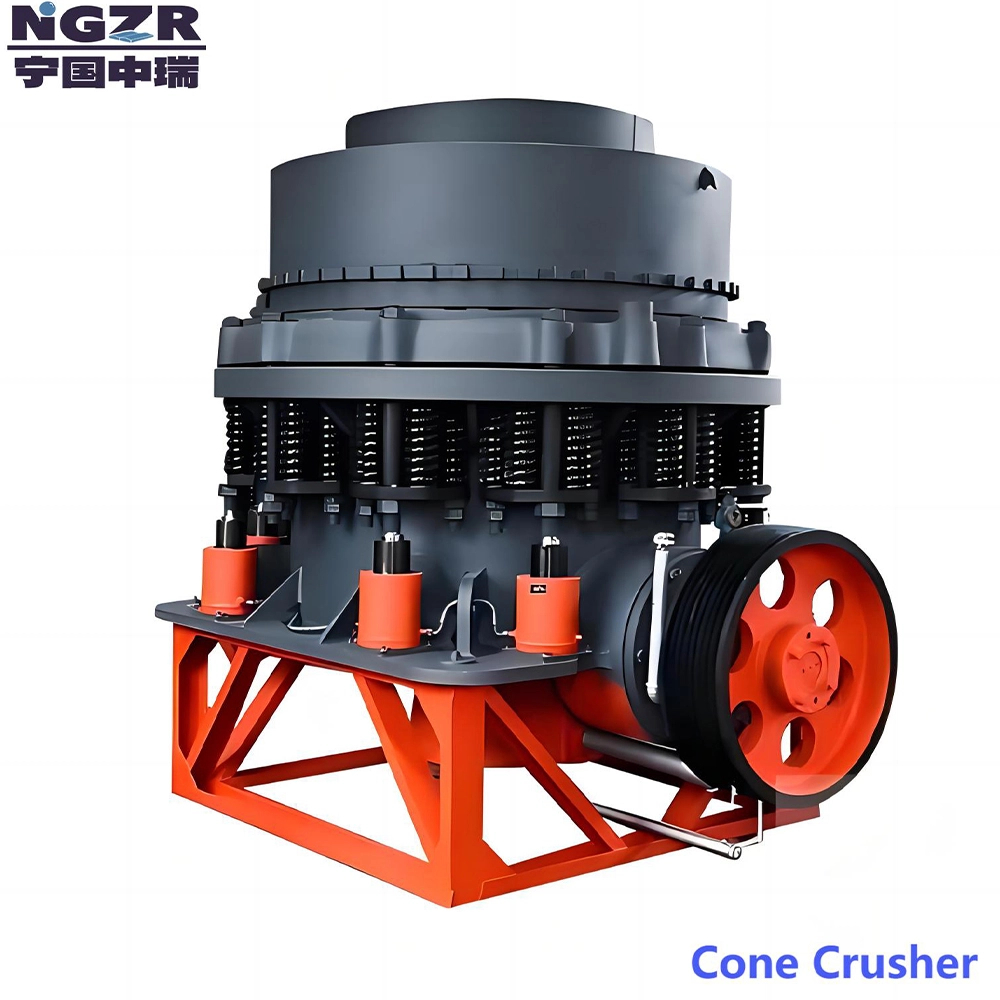








Casting Crusher Liner Manufacturer for Crushing and Shredding Circuits
Anhui Ningguo Zhongrui Wear-Resistant Materials Co., Ltd. is a Casting Crusher Liner manufacturer based in Ningguo City, Anhui Province, inside China's wear-resistant casting cluster. We cast, heat-treat and finish the wear surfaces that hold a crushing chamber to its setting: cone crusher mantles and bowl liners (concave), plus alloy cast knife hammers and chamber liners for scrap and waste metal shredders.
Our wider family covers Crusher Wear Casting Parts, grinding media, mill liners, mining equipment wear parts and general steel castings. This range covers the crusher liner group itself: the profiles we pour, the alloy selection behind each one, and the machine data we use to configure a casting that fits at first installation.
The Casting Crusher Liner Range We Supply
Every liner is built around two engineering inputs: the chamber geometry of the machine it sits in, and the wear mechanism acting on that face.
| Liner / wear part | Machine position | Alloys we cast | Application fit | Configuration data |
|---|---|---|---|---|
| Cone mantle | Rotating head | High-chromium white cast iron; Mn-Cr alloy steel | Secondary and tertiary cone crushing of hard, abrasive ore and aggregate | Head diameter, chamber profile, feed opening, closed-side setting, part number or drawing |
| Bowl liner (concave) | Stationary bowl | High-chromium cast iron; bimetallic composite | Coarse, medium and fine chambers in mining and quarry duty | Bowl diameter, chamber type, wall thickness, backing method, bolt or wedge fixing |
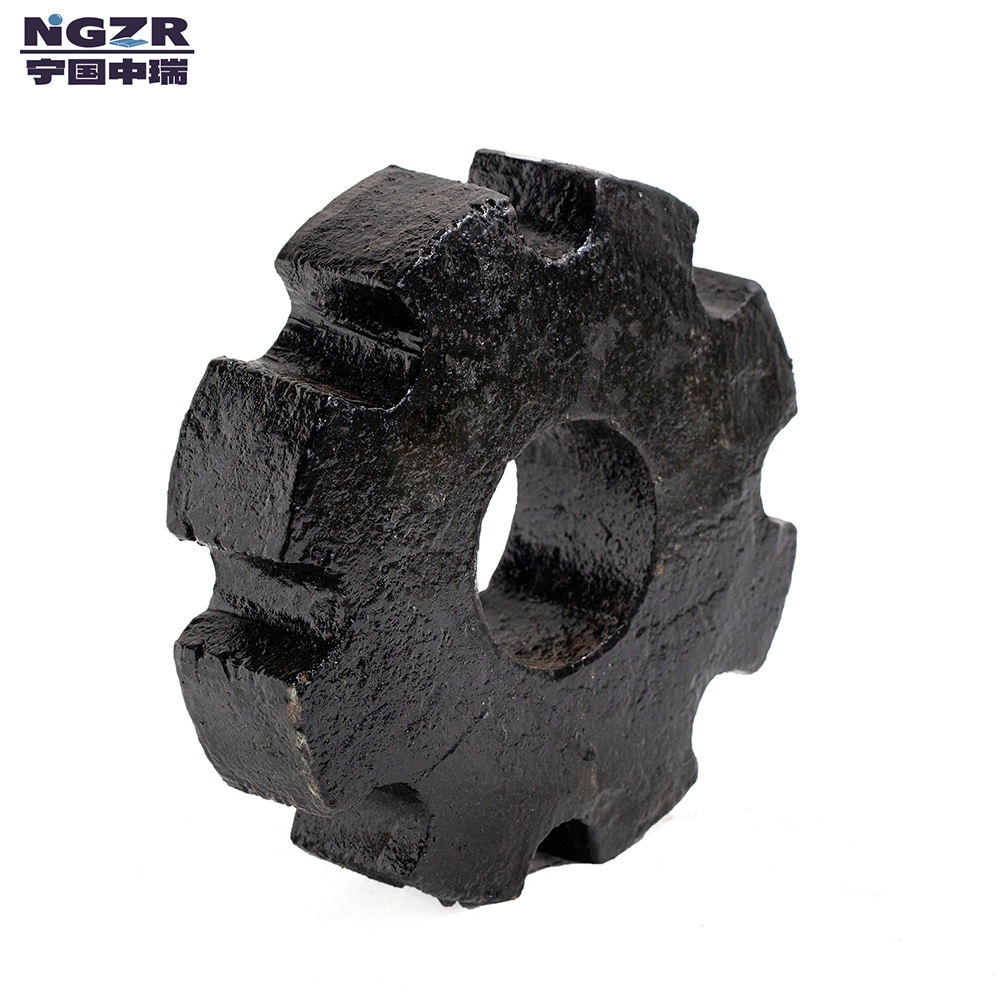
| Shredder knife hammer | Rotor | Alloy cast steel; bimetallic castings | Scrap and waste metal recycling where shearing and impact act together | Rotor width, hammer weight, tip geometry, rotor speed, shredder model |
| Shredder chamber and grate liner | Housing walls, grate zone | Abrasion-resistant alloy cast iron | Protection of shredder housings under mixed shear and impact loading | Plate thickness, hole pattern, bolt centres, handling weight per plate |
| Impact chamber liners | Impact crusher body | High-chromium cast iron; high manganese steel | Aggregate and cement circuits resisting repeated impact | Rotor diameter, chamber width, inlet size, target throughput |
The cone and shredder items above are our current production focus for this category, including the Mn-Cr alloy cast cone crusher mantle and bowl liner for cone chambers and alloy cast knife hammer sets for scrap metal shredders.
Materials and Wear Metallurgy
We cast in four material families and select between them from the duty, not from catalogue convenience.
- High-chromium white cast iron — a carbide-reinforced structure for abrasion-dominant wear, the standard choice for cone mantles and bowl liners in hard rock circuits.
- Medium- and low-chromium alloys — a balanced option where abrasion is moderate and the face sees mixed loading.
- Mn13Cr2 type high-manganese steel — work-hardening behaviour for stations where deformation and shock, rather than scratching, end liner life.
- Bimetallic composite castings — a wear-resistant working face backed by a tougher body where one alloy cannot absorb both abrasion and impact.
Hardness is only half of the decision. A liner that is too hard for an impact-heavy chamber chips and cracks; one that is too tough wears away quickly on silica-bearing feed. Quenching, reheat treatment and annealing are how we lock the hardness-to-toughness balance chosen for your chamber.
Application Fit: Chamber, Feed and Ore
- Feed opening and top size — liner profile sets the maximum feed the chamber accepts and how the material is nipped.
- Closed-side setting and reduction ratio — these determine how wear is distributed between mantle and bowl liner.
- Throughput — continuous high-tonnage duty pushes toward thicker sections and higher-chromium alloys.
- Ore abrasiveness — silica content and Bond abrasion index are the strongest single indicators of liner consumption.
- Moisture and sticky feed — chamber profile and surface condition affect packing and throughput stability.
- Tramp metal and uncrushables — favour tougher grades or a composite body over maximum hardness.
The same logic applies in mining plants beyond the crusher itself, where our Casting Wear Parts for Mining Equipment keep classifier blades, bucket teeth and adapters in service alongside the crushing chamber.
Specifications We Confirm Before Pouring
- Liner profile, chamber geometry and dimensional drawing or existing part number
- Overall dimensions and single-piece casting weight
- Wall thickness at the working face and at the seating diameter
- Mounting method — backing compound, wedge, bolt or clamp — with hole size, position and countersink
- Lifting and handling points, plus weight limits for site cranes
- Tolerances on critical interfaces: cone fit, bowl fit and seat diameter
- Alloy class, target hardness range and permissible casting skin
- Marking and traceability — part number, heat number, weight
Casting Process and Quality Control
Our foundry runs temperature-controlled melting and constant-temperature pouring across three VIP-1800 series melting furnaces. Before and after each heat, a direct-reading spectrometer checks the chemical composition across more than a dozen elements, and a carbon-sulfur analyzer confirms carbon and sulfur. Far-infrared instruments measure molten steel temperature at the pour, and the automatic iron mold sand-coated line holds pouring temperature steady on repetitive work.
Liner castings run through the fully automatic lost foam precision casting line, where the pattern is consumed by the metal and the mould reproduces the profile with minimal parting lines. Castings then pass the automatic quenching and reheat treatment line and two automatic flipping annealing furnaces. Hardness is tested, and each piece is inspected: a sound liner has a smooth surface free from cracks, slag inclusions, gas pores, sand holes, shrinkage cavities and cold shuts. Only then is it polished and released.
The company operates under ISO9001 quality, ISO14001 environmental and ISO45001 occupational health and safety management certification, holds Safety Production Standardization certification, and has been granted utility model patents covering foundry tooling and process equipment.
Installation, Commissioning and Serviceability
Liner life on site is decided during installation as much as in the melting shop. We supply liners with clean seating faces and consistent wall thickness so that backing material fills evenly and the mantle or bowl sits true on its seat.
- Backing compound poured and cured to the manufacturer's schedule before start-up
- Bolt and wedge torque applied in sequence, with lifting points used as designed
- Closed-side setting re-checked after the first hours of running and again after bedding-in
- Wear profile recorded per chamber so the next set is ordered against measured consumption, not assumed life
- Rotating liners where the design allows, to use the full wear volume before scrapping
Documentation, Packing and Delivery Scope
- Heat-level chemical composition record and finished hardness results
- Dimensional inspection against the approved drawing or the agreed seat dimensions
- Part number, heat number and weight marked on each casting
- Heavy crates or pallets with steel strapping, edge protection and lifting access, loaded to a container plan for mixed sets
- Spare and repeat orders referenced to the original heat and drawing so the profile stays identical between campaigns
Information We Use to Configure Your Solution
- Crusher or shredder make, model and serial number
- Chamber configuration — coarse, medium or fine — and current closed-side setting
- Drawing, part number, or measured data and photographs of the liner in service
- Feed top size, gradation, ore or scrap type and abrasiveness
- Rated throughput, operating hours and campaign length between change-outs
- Mounting method, available lifting capacity and site handling limits
- Quantity per change-out, first-fill plus spares, and required delivery window
Frequently Asked Questions
Which machines do your crusher liners fit?
Cone crushers — mantle and bowl liner (concave) — and metal shredders, where we supply knife hammers and chamber liners. The same foundry produces chromium hammers, jaw plates, mill liners and grinding media for the wider crushing and grinding circuit.
High-chromium or high-manganese for a cone chamber?
Alloy selection follows the wear mechanism. Abrasion-dominant chambers with hard, silica-bearing feed favour high-chromium cast iron. Chambers dominated by impact and tramp metal favour work-hardening Mn13Cr2 type steel or a bimetallic composite. We decide from chamber profile, feed size and operating records.
Can you cast to our drawing or from a used liner?
Yes. We work from dimensional drawings, part numbers, chamber diagrams, or measured data and photographs of the liner in service. Where a profile is no longer documented, we reconstruct it from the seat diameter, the head or bowl fit and the required closed-side setting.
What quality records accompany a shipment?
Each heat is analysed before and after melting, carbon and sulfur are confirmed separately, and hardness is tested on the finished casting. Composition and hardness records and a dimensional inspection report against the approved drawing can be issued with the delivery.
What casting capacity stands behind this range?
Annual output is 60,000 tons of cast balls and castings, supported by three VIP-1800 series melting furnaces, an automatic iron mold sand-coated line, a fully automatic lost foam line, a quench and reheat treatment line and two annealing furnaces. Liners and shredder parts run through the same temperature-controlled melting and heat-treatment sequence.



