


 English
  русский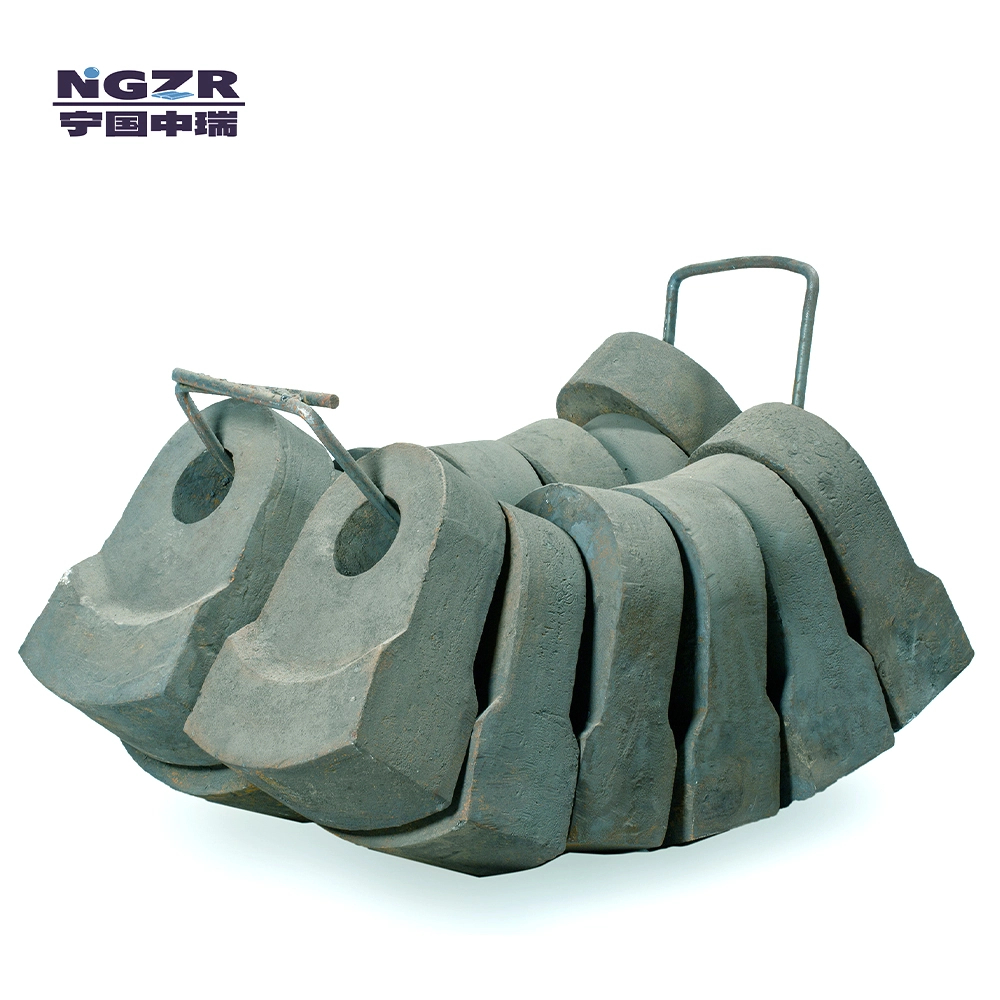
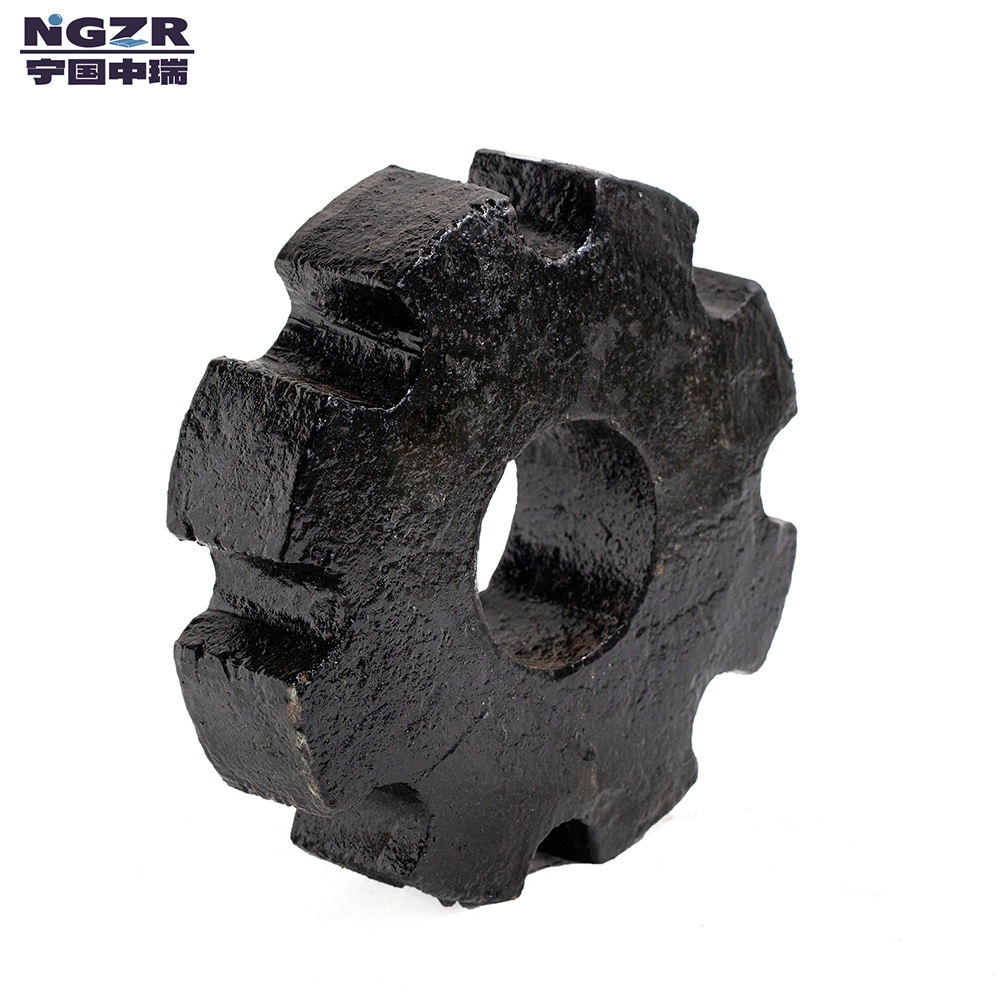








Crusher Wear Casting Parts From Our Ningguo Foundry
Anhui Ningguo Zhongrui Wear-Resistant Materials Co., Ltd. is a Crusher Wear Casting Parts manufacturer based in Ningguo City, Anhui Province, the wear-resistant casting centre of China. We melt, pour, heat-treat and finish the chromium and manganese alloy components that sit inside the crushing chamber: hammers, blow bars, jaw plates, cheek plates, cone mantles, bowl liners, shredder knife hammers and the flange bases, lock nuts and bolt assemblies that hold the wear set in place.
Our castings run in mines, quarries, aggregate and cement plants, coal-fired power stations, metallurgical works and scrap metal recycling yards. Each part is set against the crusher model, the feed material and the wear life the circuit has to deliver, not simply against a catalogue number.
- Three melting furnaces (VIP-1800 series) with temperature-controlled melting and constant-temperature pouring.
- Two fully automatic iron mould sand-coating lines, four robotic shell-moulding machines and one fully automatic lost foam mould line.
- One automatic quenching plus re-heat treatment line and two automatic flipping annealing furnaces.
- In-house physical property testing room with direct-reading spectrometer, carbon-sulphur analyser, hardness tester and far-infrared thermometer.
- Annual output of 60,000 tonnes of cast balls and castings across the wear-resistant product family.
Our Crusher Wear Casting Parts Range
We supply three core sub-families plus the auxiliary castings that complete a wear set. Material grade, section thickness and cavity geometry are decided together, because impact angle and feed size determine whether a part fails by abrasion, by chipping or by fatigue cracking.
Casting Chromium Hammer
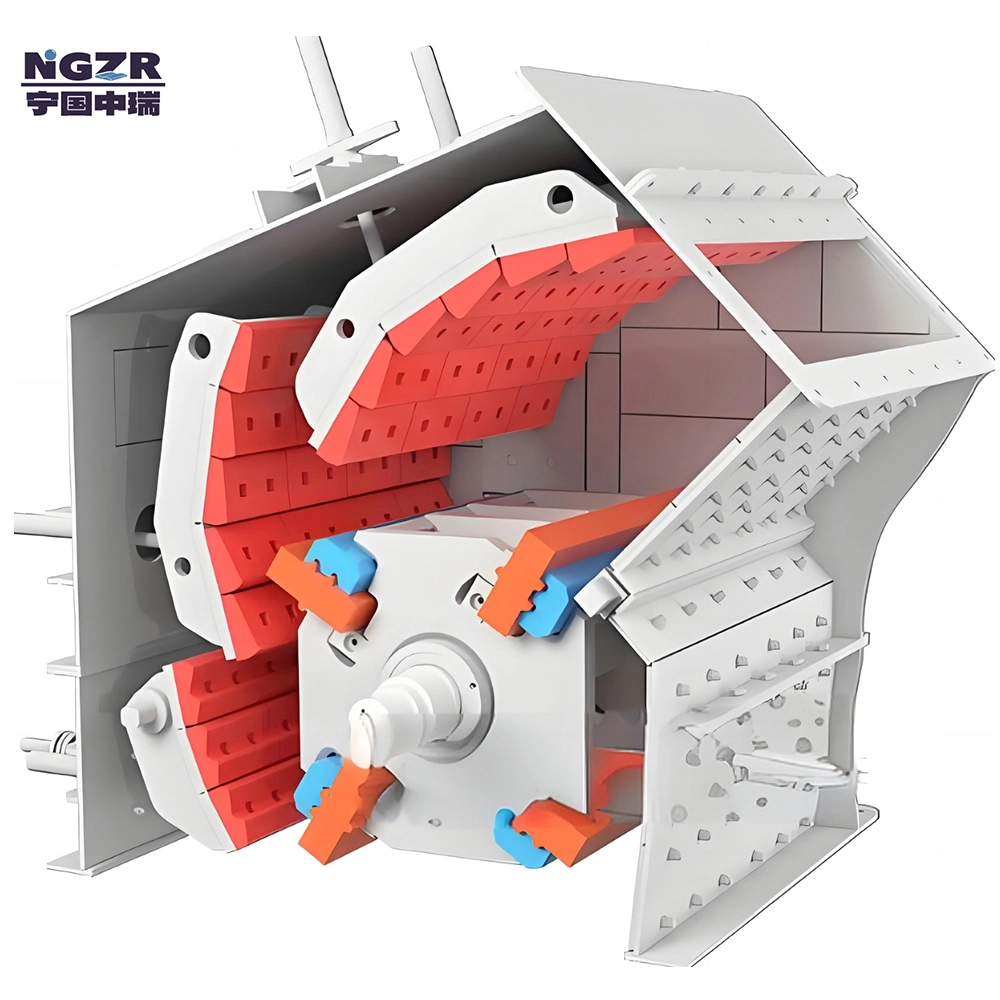
Hammer heads and blow bars for hammer, impact and ring-hammer crushers, cast in high-chromium cast iron, high chromium-manganese alloy or bimetallic composite where a hard working face has to sit on a tough backing. Impact liners and sieve plates are produced in the same programme. See the full Casting Chromium Hammer range.
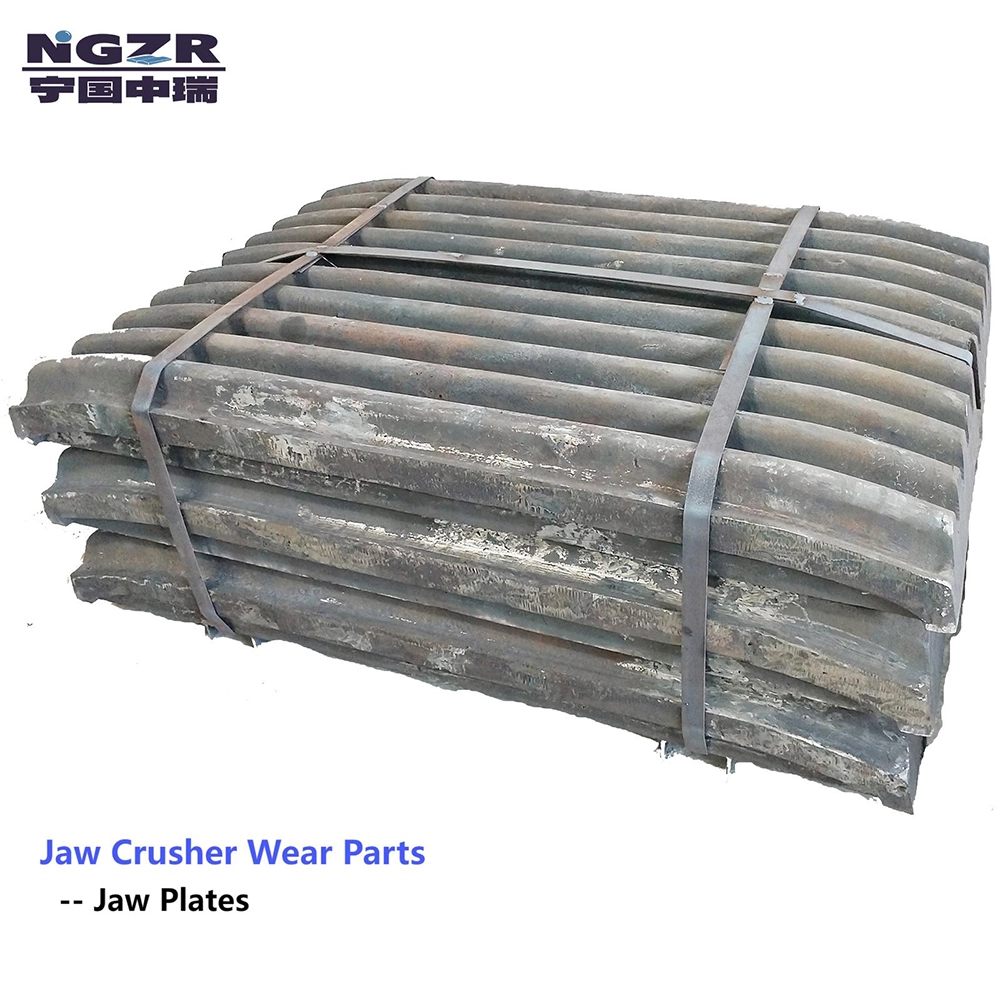
Casting Jaw Plates
Fixed and swing jaw plates plus cheek plates (side liners) in Mn-Cr alloy cast steel, matched to the jaw crusher's toggle geometry and discharge setting. Tooth profile, plate thickness and clamping arrangement are confirmed against the machine and the rock being crushed at the primary stage. Browse our Casting Jaw Plates.
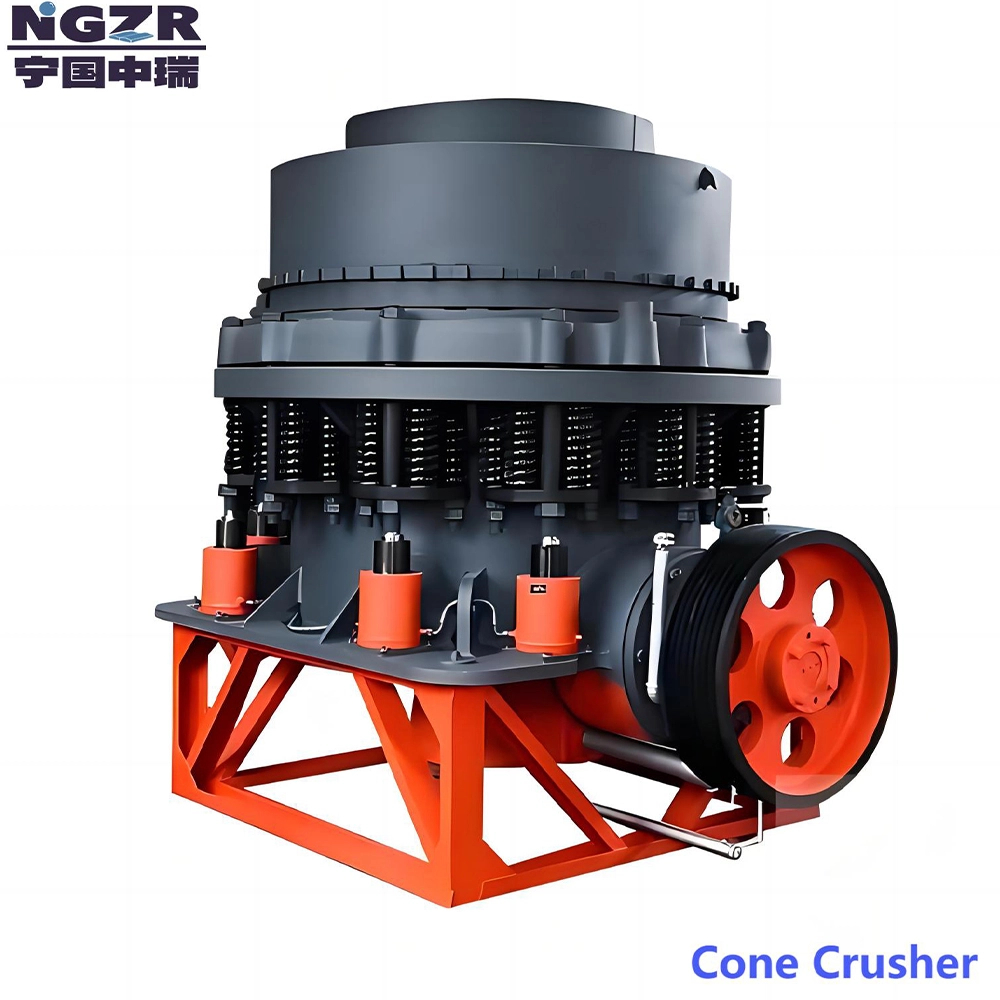
Casting Crusher Liner
High Mn-Cr alloy cast mantle and bowl liner (concave) sets for secondary and tertiary cone crushers, together with alloy cast knife hammers and liners for metal shredders handling scrap and waste. Our Wholesale Crusher Liner Manufacturers programme covers chamber profiles from coarse to fine configuration.
Matching Casting Type to Crusher and Duty
The table below shows how we position each casting type, the equipment it fits and the variables we set during configuration.
| Casting type | Typical equipment | Material options | Wear mechanism | What we set per order |
|---|---|---|---|---|
| Hammer head and blow bar | Hammer, impact and ring-hammer crushers | High-chromium cast iron, high chromium-manganese alloy, bimetallic composite | High-velocity impact with abrasive gouging | Hammer mass, working-face geometry, mounting hole pattern, rotor pitch |
| Jaw plate and cheek plate | Primary jaw crushers | Mn-Cr alloy cast steel, high manganese steel | Compression abrasion, work-hardening under load | Tooth profile, plate thickness, fixed/swing position, wedge or bolt fixing |
| Mantle and bowl liner | Secondary and tertiary cone crushers | High Mn-Cr alloy cast steel | Sliding abrasion with repeated impact | Chamber profile, feed opening, liner thickness, backing interface |
| Shredder knife hammer and liner | Scrap and waste metal shredders | Wear-resistant alloy cast steel | Shear and impact against mixed scrap | Knife edge form, rotor fixing, body thickness |
| Impact liner and sieve plate | Impact crushers and screening stages | High-chromium cast iron, alloy cast steel | Particle impingement and slot-edge wear | Plate curvature, aperture pattern, fixing centres |
| Flange base, lock nut, bolt assembly | Wear-set fastening across crusher frames | Alloy cast steel | Loosening and fatigue at clamped joints | Thread size, seat geometry, matching with supplied liners |
Alloy Selection and Heat Treatment
We pour high-chromium cast iron, medium-chromium alloy steel, high manganese steel and bimetallic composite castings through lost foam precision casting and resin-sand shell moulding. The choice between a hard chromium-bearing structure and a work-hardening manganese structure comes down to impact severity: a very hard martensitic matrix resists abrasion but needs a tough substrate behind it where lump size and drop height are high.
- Quenching followed by re-heat treatment on an automatic line, with automatic temperature-controlled cycles.
- Annealing in two automatic flipping furnaces to relieve stress before finishing.
- Bimetallic composite construction used where one alloy cannot satisfy both the wear face and the impact zone.
Casting Capacity and Dimensional Scope
Crusher wear castings are heavy-section components, so the practical limits are single-piece weight and mould envelope rather than part count.
- Single-piece mould envelope up to 5000 × 5000 × 1000 mm with piece weight up to 1500 kg.
- Heavy manual resin-sand wooden mould line to 1500 × 1500 × 1200 mm and piece weight up to 3000 kg.
- Cast ball and cast section diameters from Ф8 mm to Ф150 mm.
- Mounting dimensions, hole centres and mating faces are held to the drawing we receive or to the sample part supplied.
Quality Control and Acceptance
Chemical composition is checked before and after melting with a cabinet-type direct-reading spectrometer and a carbon-sulphur analyser, so any deviation is corrected in the ladle rather than discovered after delivery. Pouring temperature is monitored by far-infrared measurement, and hardness is verified on the heat-treated part.
Semi-finished castings pass an initial visual inspection for cracks, slag inclusions, gas porosity, sand holes, shrinkage cavities and cold shuts before being polished. Where a project requires documented acceptance, we agree the inspection items and the record format with your engineering team before production starts.
- ISO9001 quality, ISO14001 environmental and ISO45001 occupational health and safety management certification.
- Safety Production Standardization certification.
- Utility model patent certificates covering casting process developments.
Fitting, Commissioning and Service Life
Wear parts fail early when a liner seats badly or a clamping wedge is reused past its service limit. We supply the fastening hardware with the wear set where the assembly is part of our scope, so seat faces, lock nuts and bolts arrive matched to the castings.
- Backing material selection and curing are agreed for cone and gyratory liners before fitting.
- Torque values and clamp-up sequence follow the crusher manufacturer's procedure; our drawings flag the clamping interface.
- Wear is tracked by measuring plate thickness or hammer mass at planned shutdowns so the replacement set is ordered against measured life, not calendar intervals.
- Spare-part identification uses part number, casting drawing reference and crusher model, which keeps re-orders consistent.
Information We Use to Configure Your Solution
A wear casting is only as good as the data behind it. The following inputs let us select the alloy, set the section thickness and confirm the mounting interface without guesswork.
- Crusher make, model and crushing stage, plus the current chamber or wear-set configuration.
- Feed material type, lump size, bulk density, moisture and abrasiveness.
- Drawing, part number or a sample worn casting for reverse configuration.
- Target wear life, throughput or the tonnage between replacements.
- Set quantities per replacement, including spares for planned shutdowns.
- Fixing hardware and bolt pattern, or confirmation that the existing fasteners will be reused.
- Documentation, marking, packaging and delivery scope required for the shipment.
Crusher Wear Casting Parts: Frequently Asked Questions
Which crusher types do your wear castings fit?
We cast hammers and blow bars for hammer, impact and ring-hammer crushers, jaw plates and cheek plates for primary jaw crushers, mantle and bowl liner sets for cone crushers, and knife hammers and liners for metal shredders. Impact liners, sieve plates and fastening hardware complete the set.
Which alloys do you cast these parts in?
High-chromium cast iron, high chromium-manganese alloy, medium-chromium alloy steel, high manganese steel and bimetallic composite castings. The recommendation follows impact severity, feed abrasiveness and the section thickness the machine can accept.
Can you produce parts to our own drawing or OEM part number?
Yes. We work as a custom casting operation: send the drawing, the OEM reference or a worn sample, and we confirm the mould, alloy and mounting details before quoting. Existing part numbers are carried through to marking and packing so re-orders stay traceable.
How is chemical composition and hardness controlled?
Spectrometer analysis is run before and after each melt, with carbon and sulphur checked separately, and corrections are made in the furnace before pouring. Hardness is measured after quenching and tempering, and pouring temperature is logged by far-infrared measurement.
What is the largest casting you can supply?
Our moulding envelope reaches 5000 × 5000 × 1000 mm at up to 1500 kg per piece, and a heavy manual resin-sand line covers 1500 × 1500 × 1200 mm at up to 3000 kg per piece. Annual capacity across cast balls and castings is 60,000 tonnes.
How quickly do you respond to an enquiry?
Enquiries received on working days are answered within 12 hours. A first technical response covers alloy options, the data still needed for full configuration and the shape of the supply scope.



