English
  русский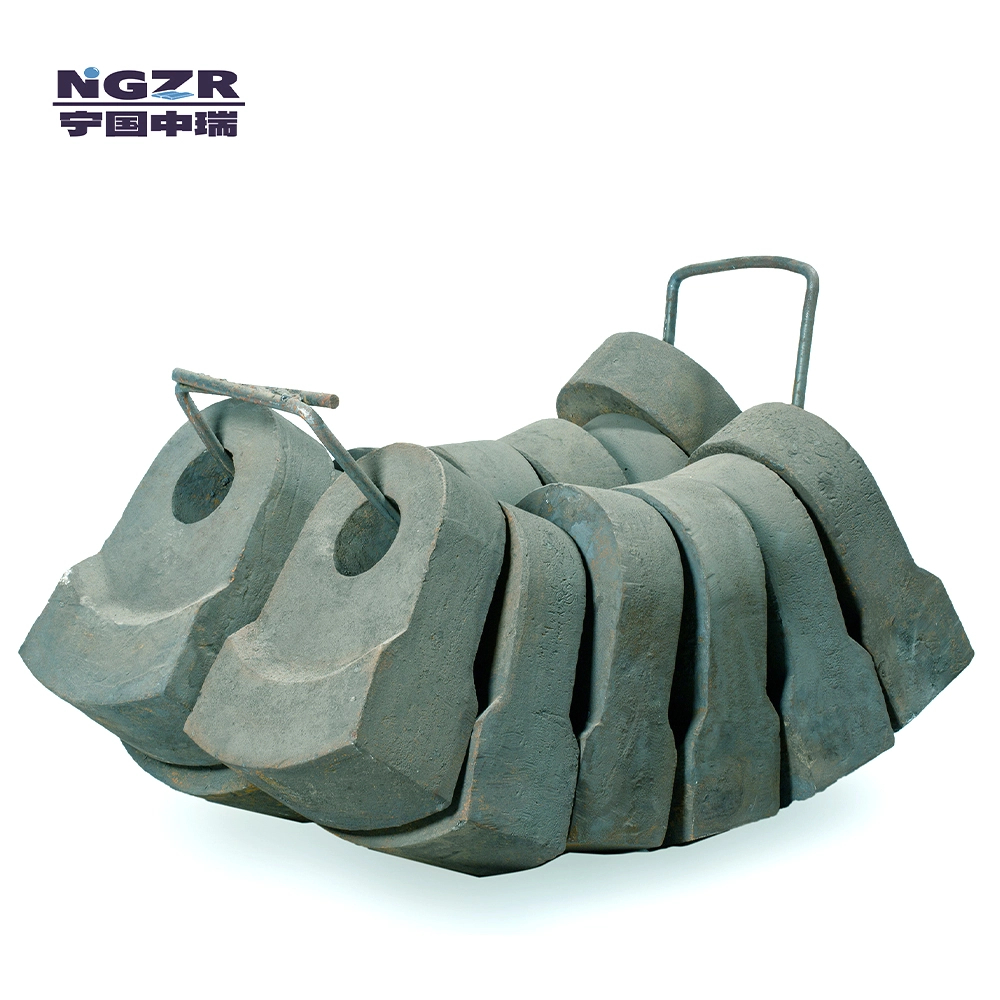
Alloy Steel Cast Hammer Crusher Wear Parts: Hammer Head, Impact Liner & Sieve Plate
Product Overview
Operating by impact, a hammer crusher breaks minerals down directly, taking feed with a maximum particle size of 600-1800 mm and reducing it to under 25 mm. It suits minerals of medium hardness, such as limestone, slag, coke and coal, and is used in industries including cement, chemicals, power generation and metallurgy.
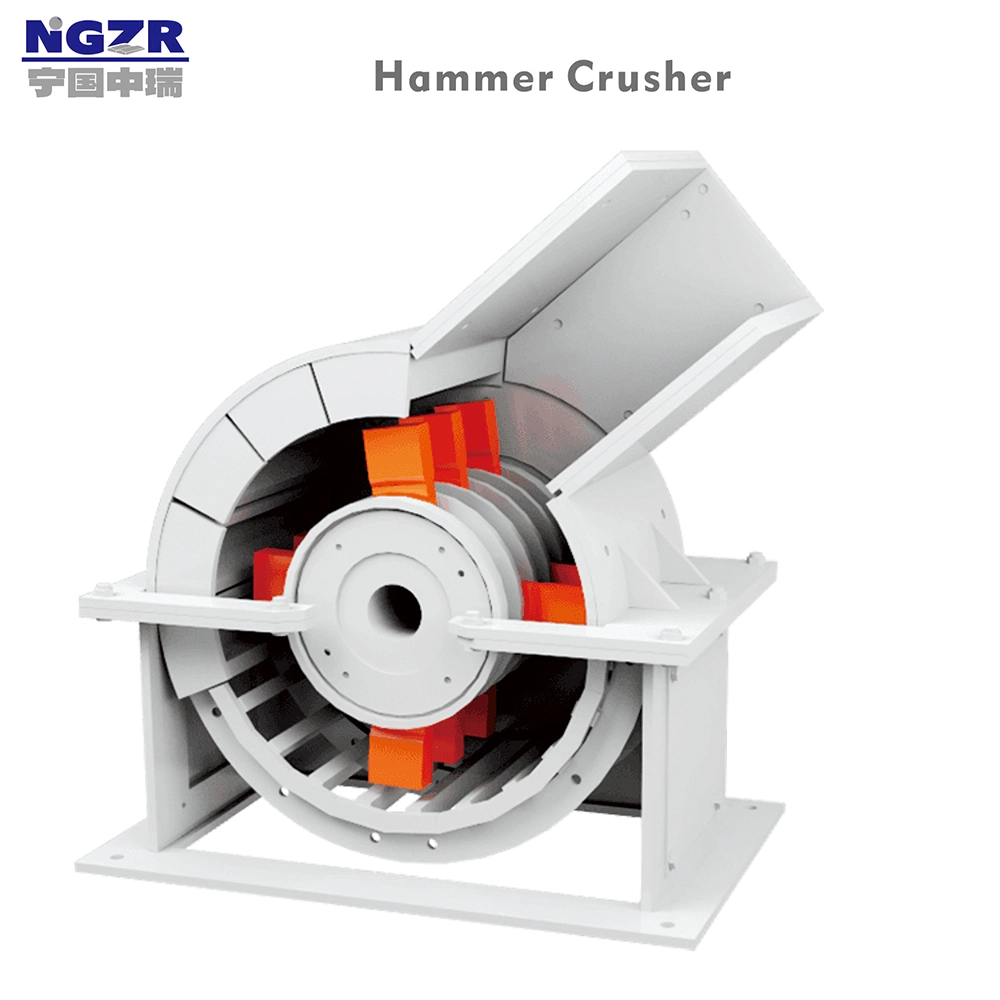
A chassis, a rotor, hammer heads, impact lining plates, a sieve plate and similar parts make up the hammer crusher.
1. Hammer head
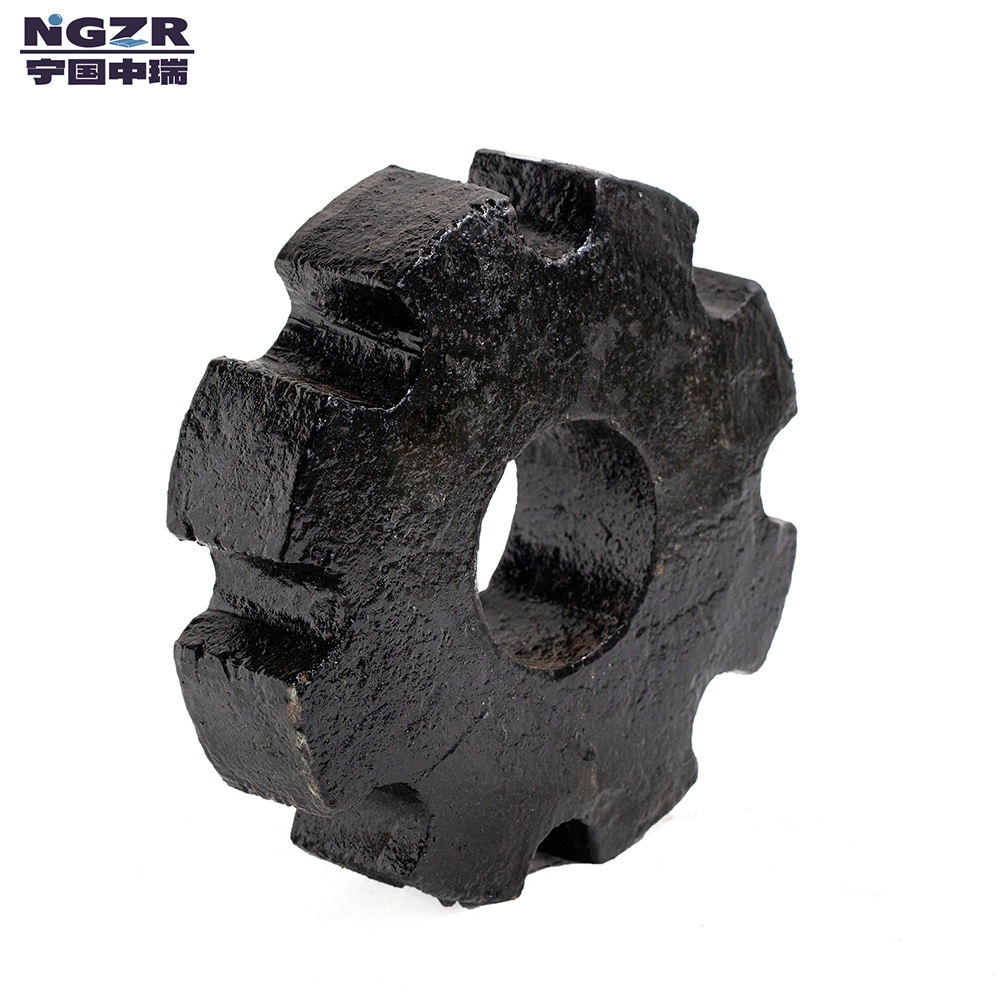
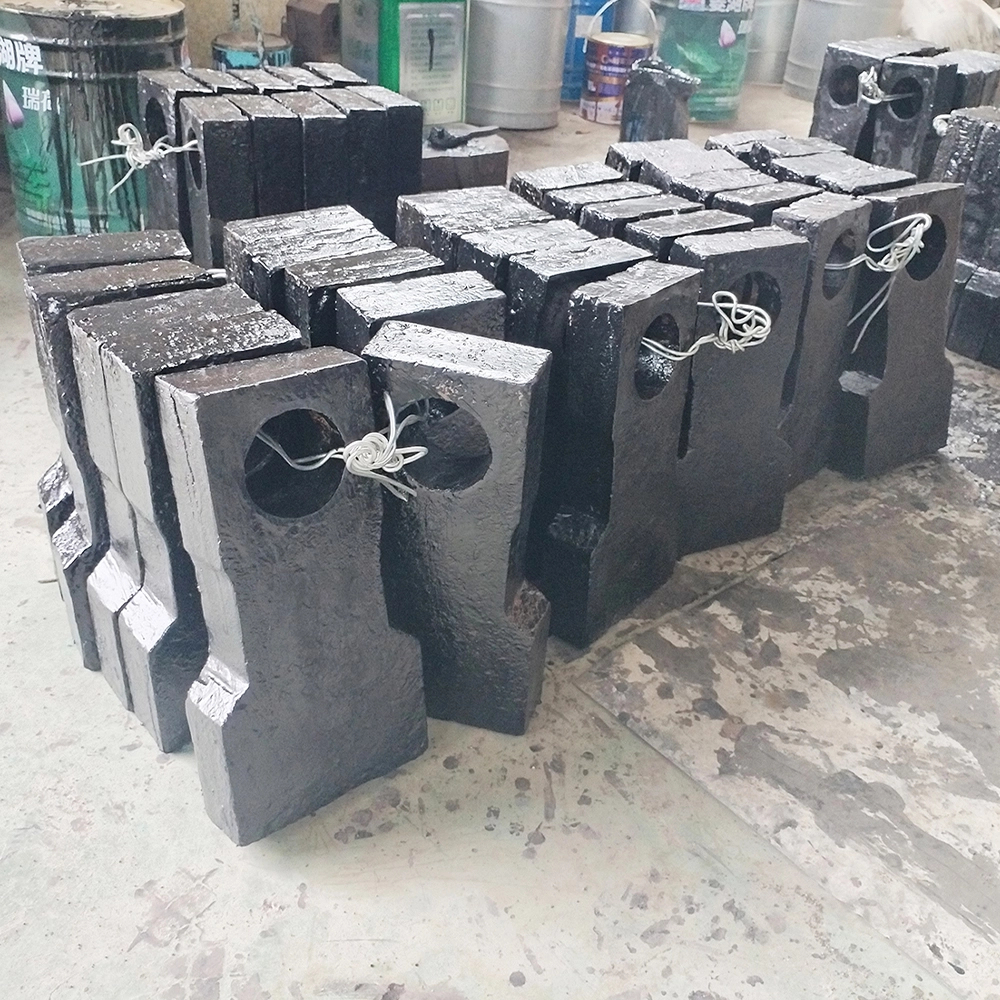
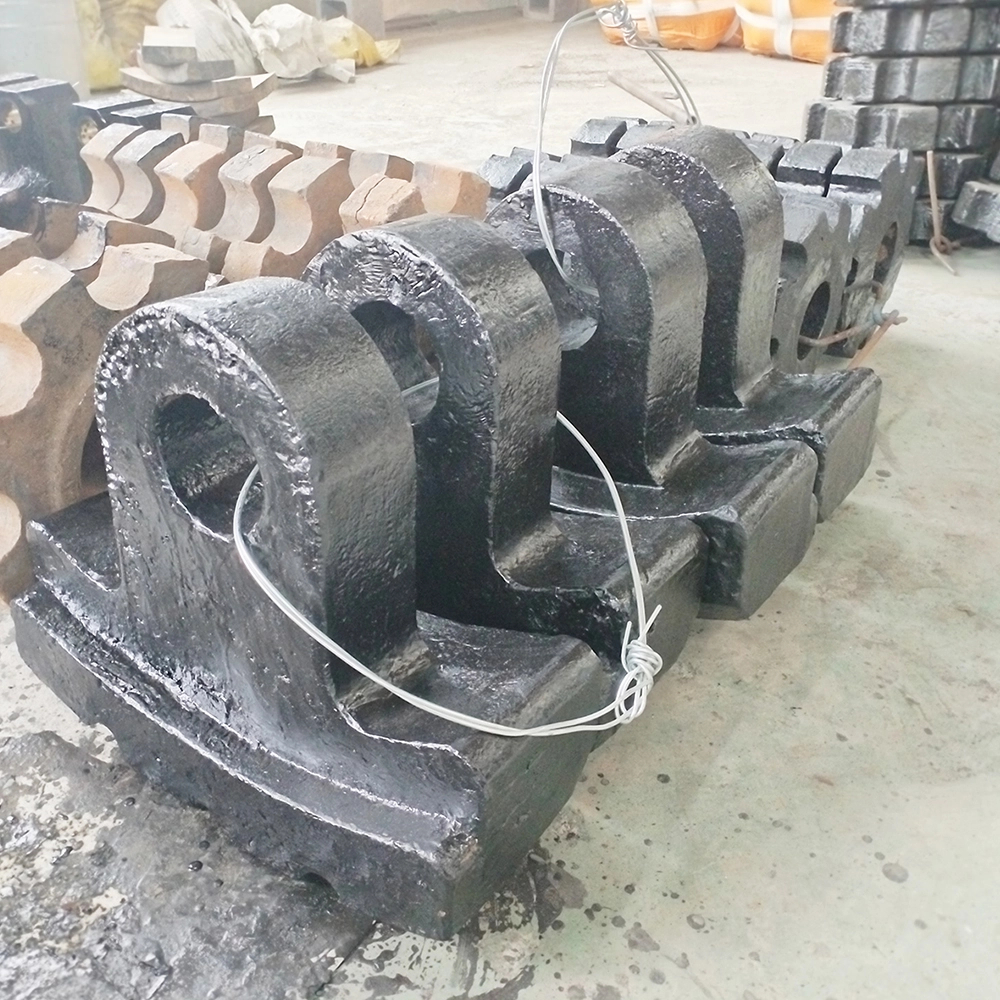
No other working part of a hammer crusher matters as much as the hammer head. Its weight, shape and material decide how much the crusher can produce.
Kinetic energy rises in proportion to the weight of the hammerhead, so a heavier head delivers more energy and crushes more efficiently. Hammerheads are offered across a full weight range, from a minimum of 15 kg to a maximum of 298 kg, and several weights can be custom-made to suit what the customer needs.
Each hammerhead is a composite casting in a new, high-quality Cr-Mn alloy steel, and it lasts several times longer than an ordinary hammerhead.
2. Impact liner & Sieve plate
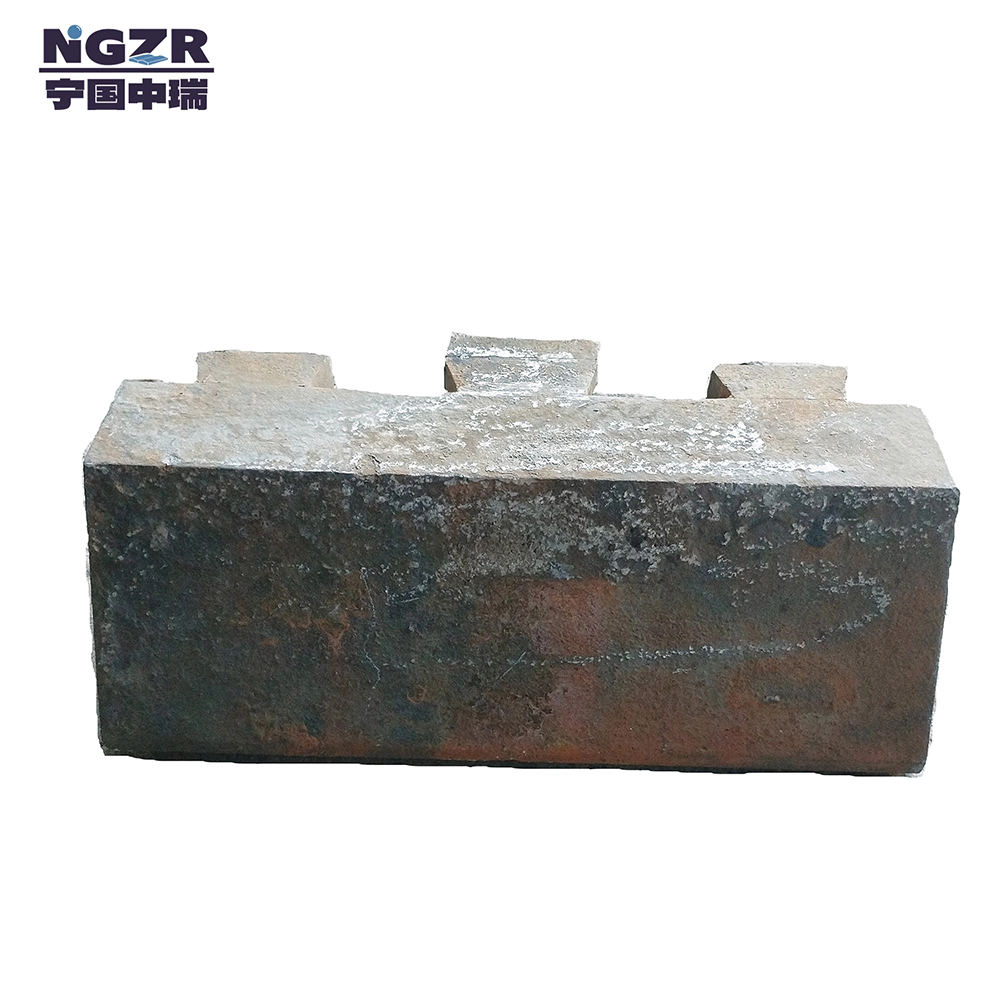
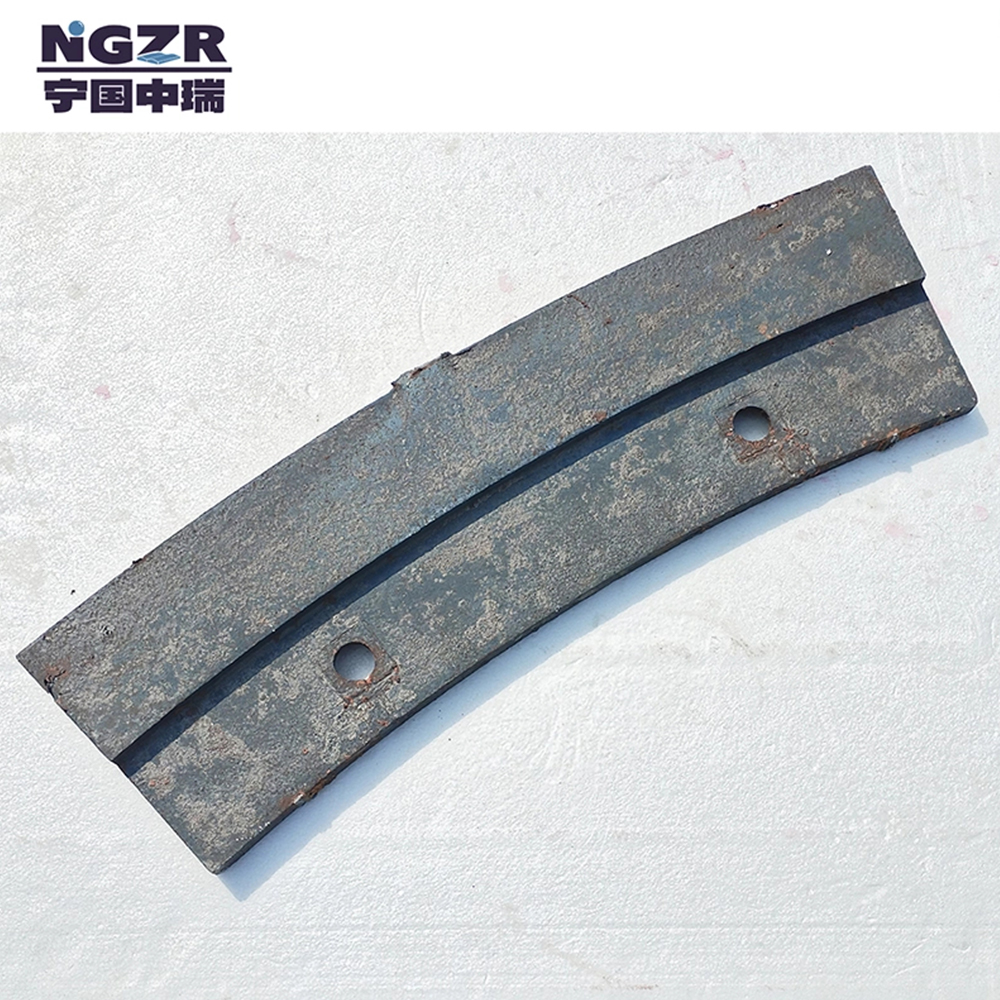
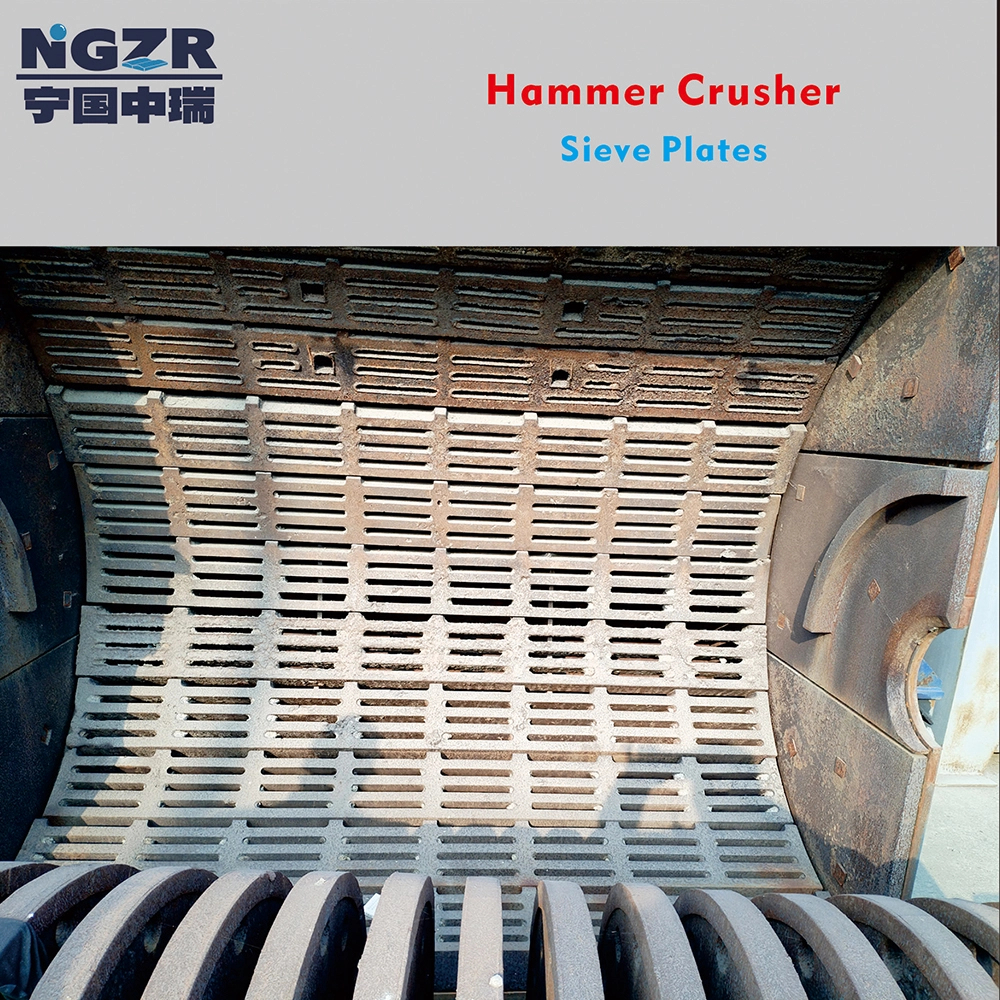
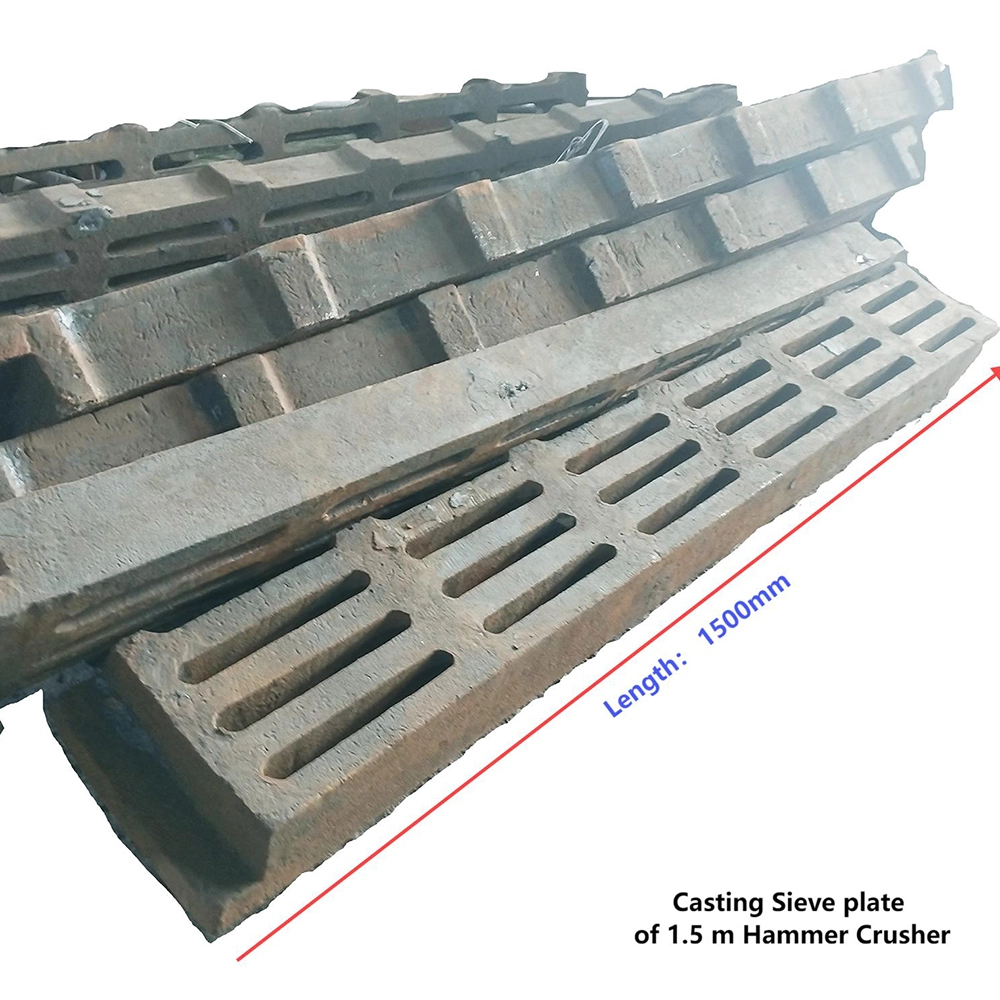
The hammer head hits the ore at high speed, giving the ore great velocity and kinetic energy within an instant. To keep the crusher frame from wearing down, Mn-Cr alloy steel lines the frame inner wall as well as the impact liner & sieve plate, which gives the lining plates and sieve plates outstanding wear and impact resistance.
Because a hammer crusher works in a harsh environment, its service life depends on its quality, and that quality in turn depends on the materials used for its component parts.