English
  русский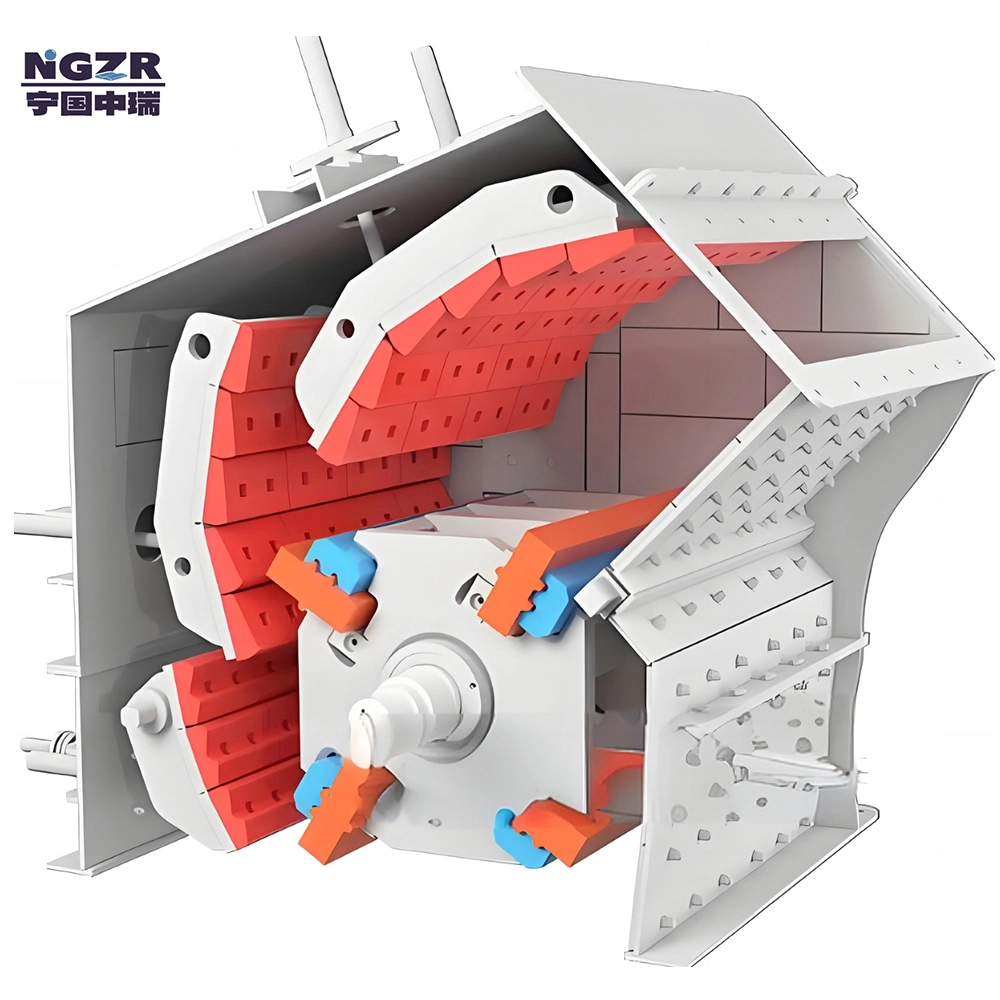
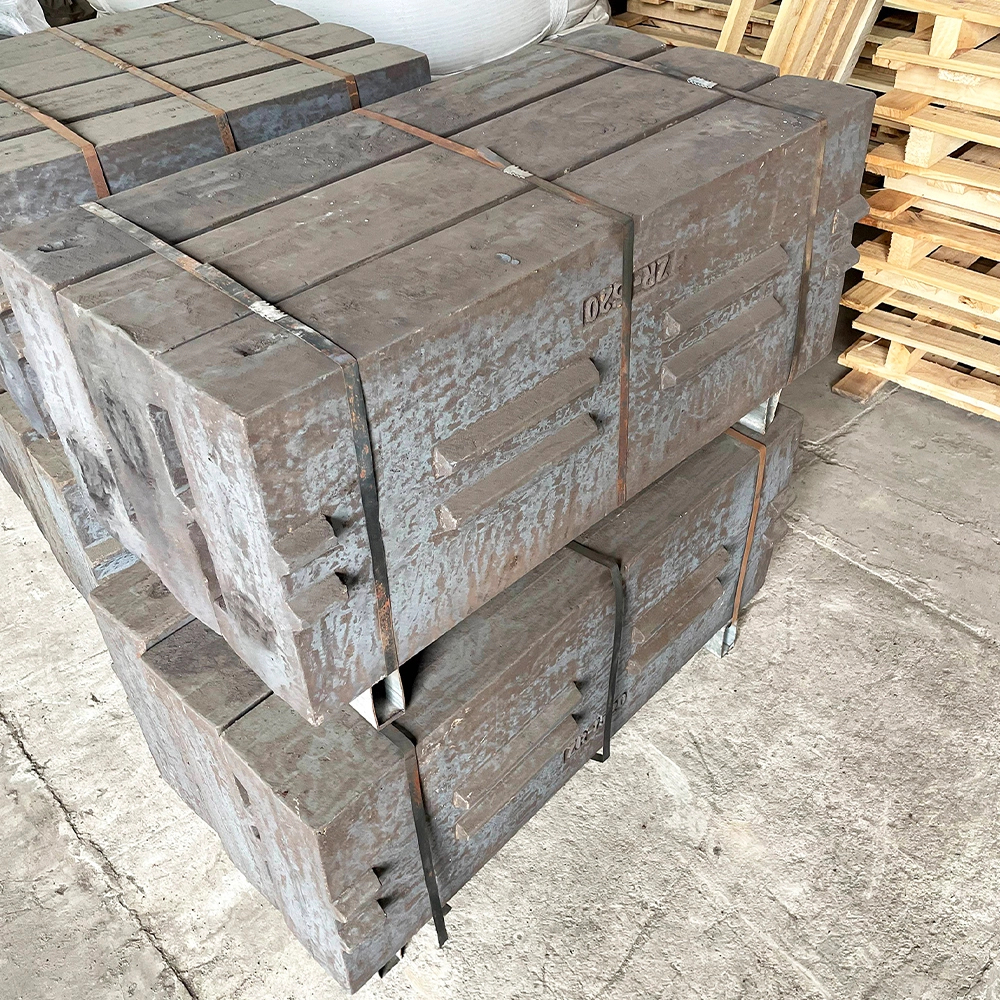
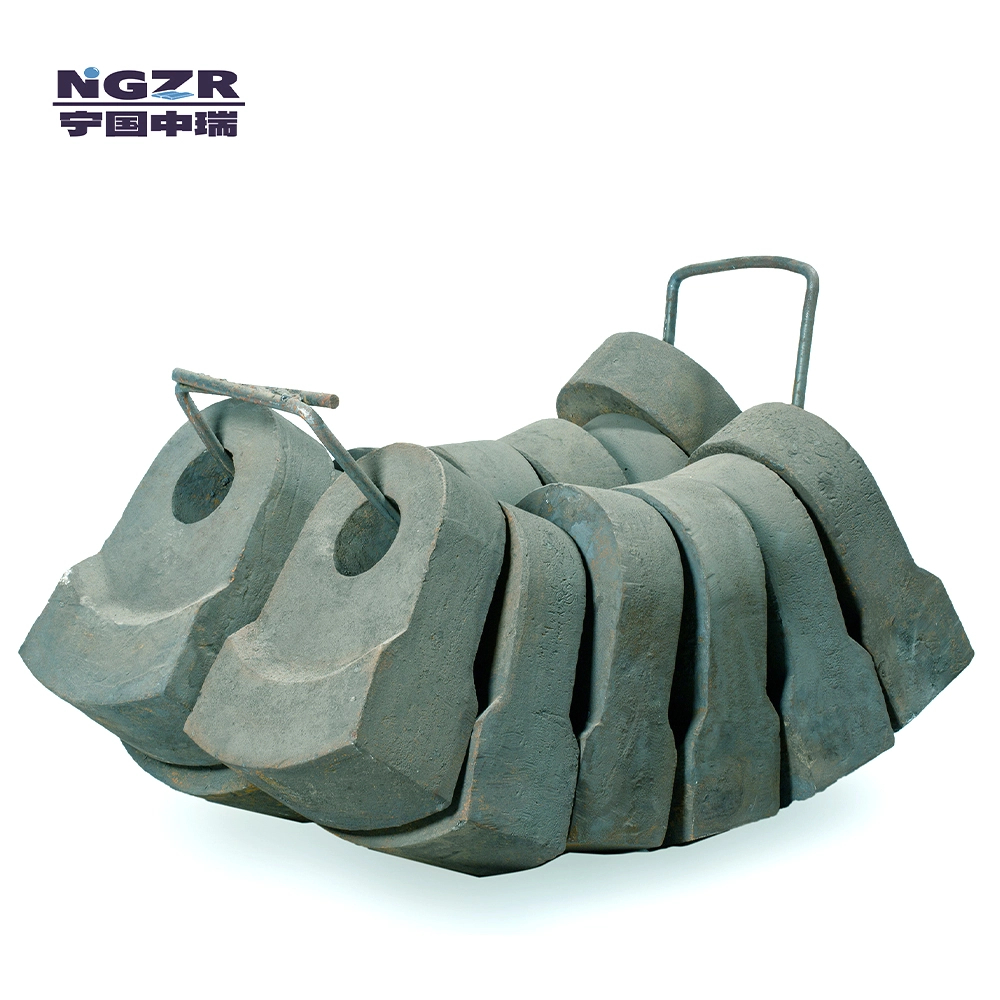
High Chromium-Manganese Alloy Cast Blow Bar (Plate Hammer) for Impact Crusher
Product Overview
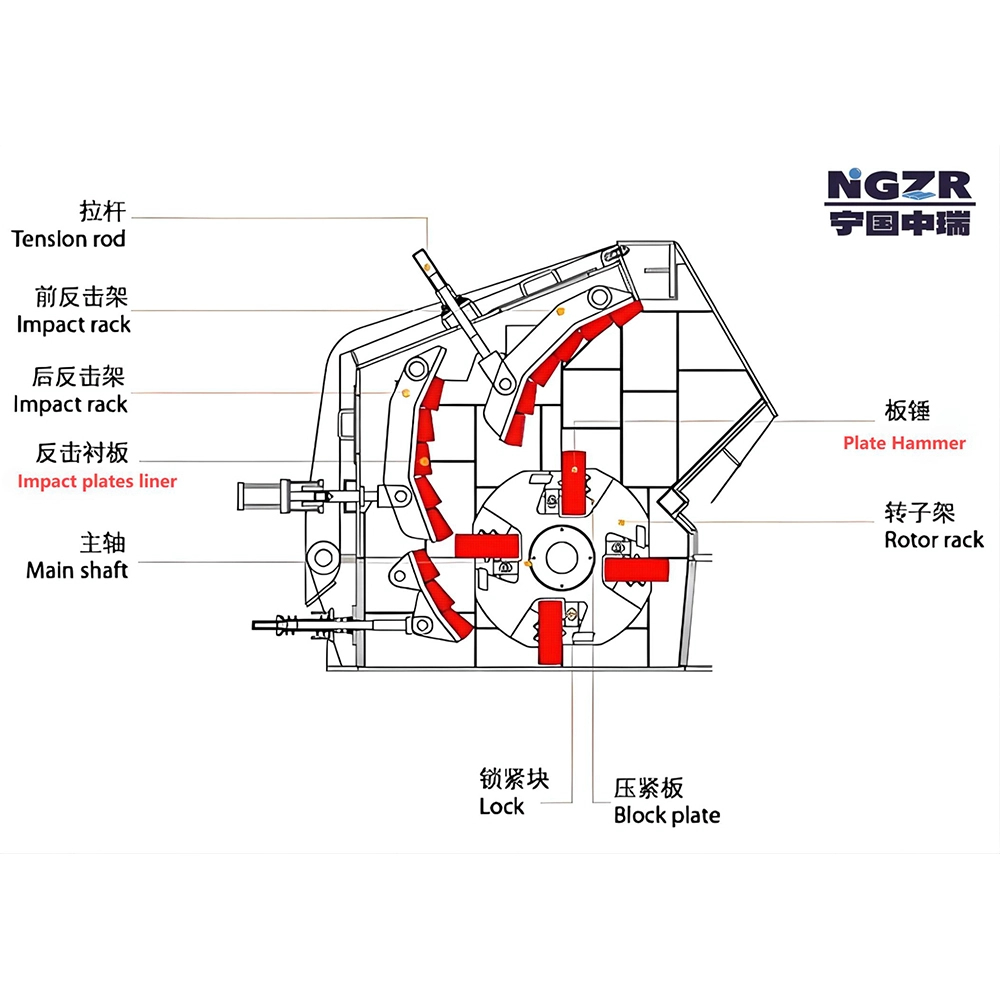
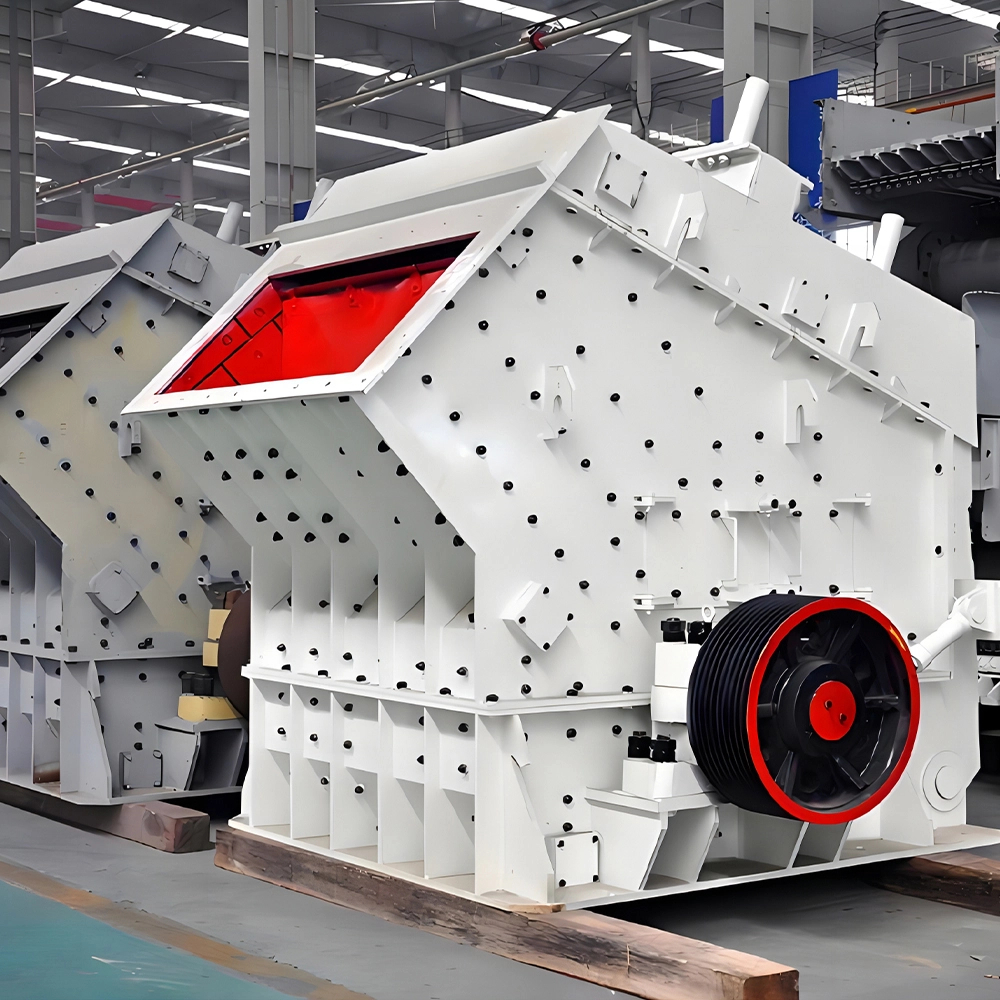
Minerals are crushed repeatedly in an impact crusher, a machine that relies on the high-speed blows of plate hammers and the rebound off a counterattack plate. The plate hammers are fixed to a rotor that spins at high speed, while a number of impact plates are set at varying angles along the crushing chamber.
Once a mineral reaches the plate hammer action area, the first blow from the hammer shatters it and also gives it kinetic energy, sending it at high speed toward the counterattack plate. It breaks again on hitting that plate and then rebounds into the hammer action area, where the plate hammer strikes it once more. The cycle continues until the mineral has been reduced to the particle size required and leaves the machine.
Minerals of lower and medium hardness, including limestone, coal, calcium carbide, quartz, dolomite, sulfide iron ore, gypsum and chemical raw materials, are typically processed in an impact crusher for primary, secondary and final crushing.
1. Plate Hammer
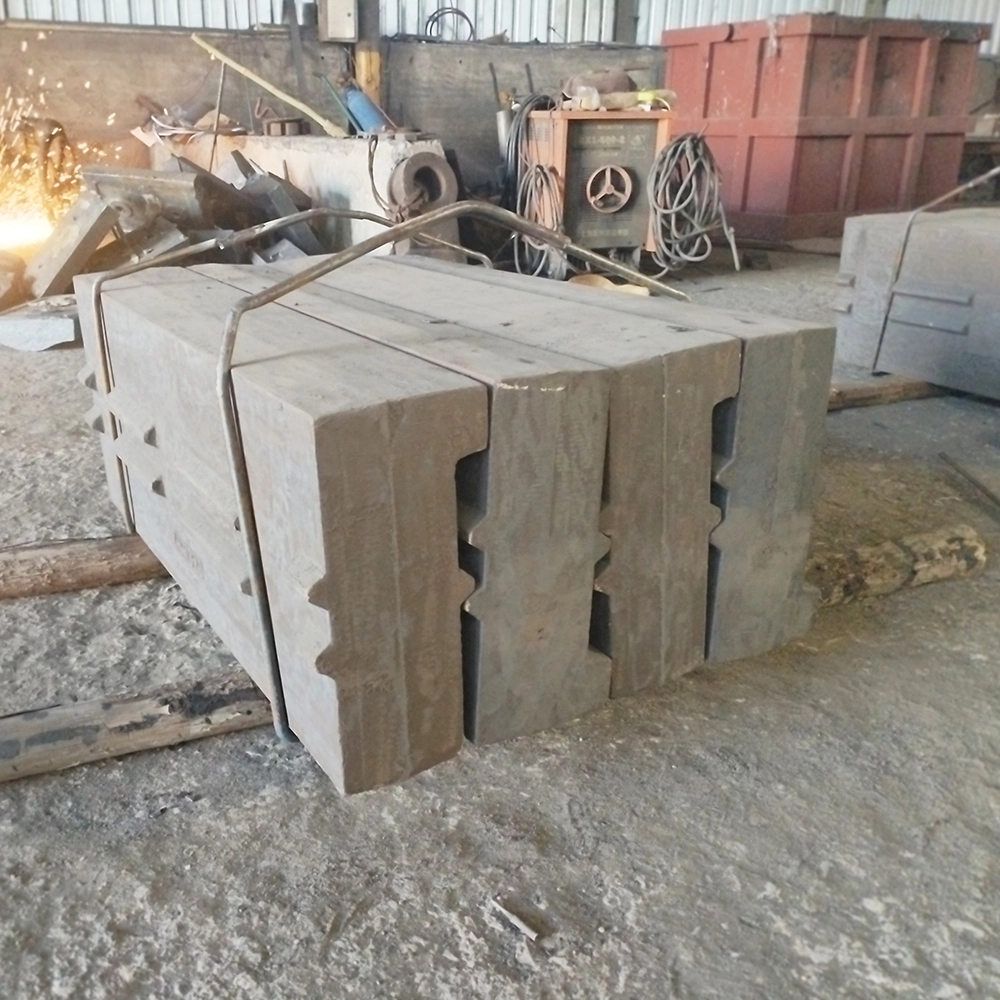
How a plate hammer is fastened and how heavily it is loaded both bear closely on its shape. Its design should allow reliable operation and easy installation and removal while keeping the cost of using it down. High chromium alloy steel, high manganese alloy steel and other wear-resistant alloy steels are the usual materials. Hammers come in many shapes, such as long strip, T-shaped, S-shaped, I-shaped, axe-shaped and slotted, and the long strip is the most common.
2. Impact plate/counterattack boards
Taking the force of minerals thrown against it by the plate hammer is the job of the counterattack plate (impact plate). The mineral is broken by the blow, and the plate then throws the crushed pieces back into the impact zone for further impact crushing until the desired product particle size is reached.
Counterattack boards (impact plates) come in many shapes, chiefly of two kinds, polygonal and curved. With the polygonal surface, minerals strike every point of the plate at roughly a right angle, which gives the best crushing result. The arc-shaped surface instead makes material blocks bounce away from the plate, creating a fierce impact crushing zone in the central area and strengthening the free impact crushing of the minerals.
3. Crusher liner
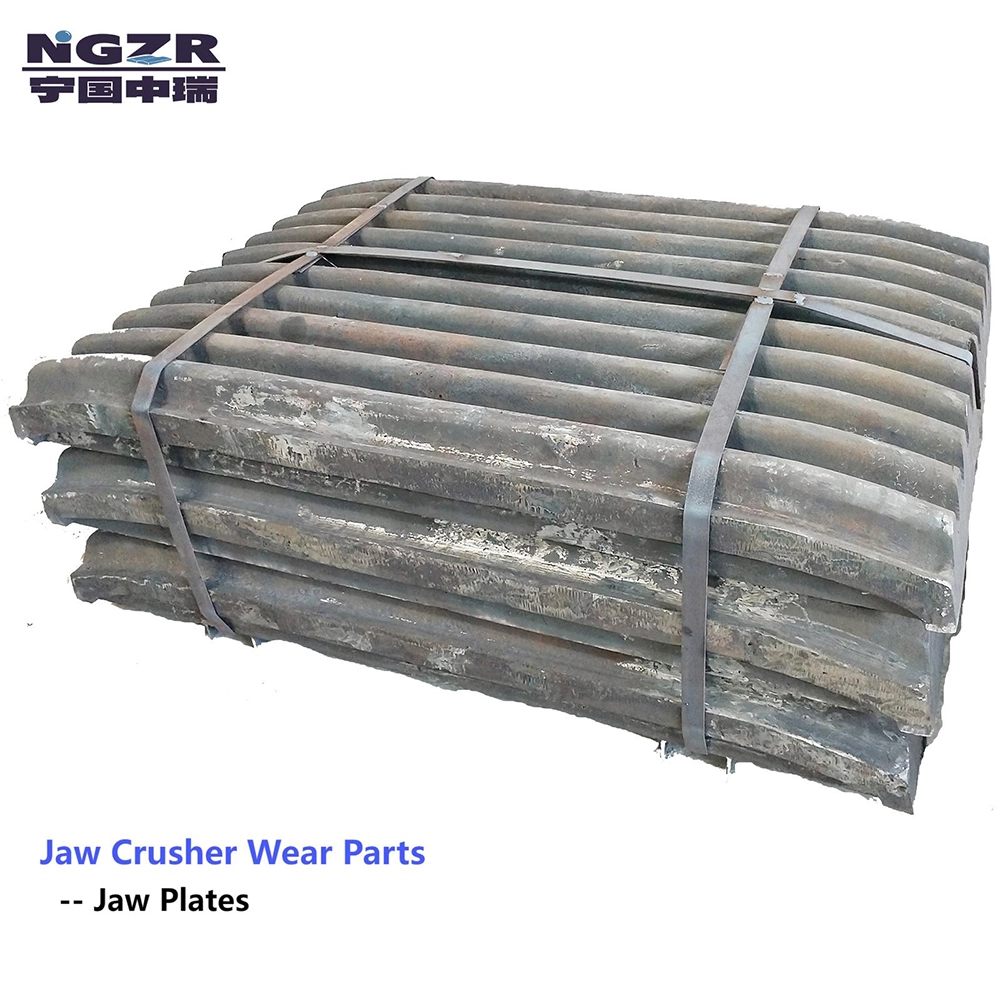
This wear part for the jaw crusher shields the machine from damage by mineral impact while it runs. It should last longer, so it needs high hardness along with a low wear rate and breakage rate.